OpenAI Put Codex in Your Pocket. Builders Should Treat That as a Workflow Rewrite.
OpenAI bringing Codex into the ChatGPT mobile app is not a gadget update. It is a workflow shift for builders and teams that need to review live threads, approve risky steps, steer long-running agents, and keep work moving away from the desk.

Listen to this post
OpenAI just moved agentic coding into a more dangerous place for competitors: your pocket.
This is not a companion app story. It is not a convenience feature. It is a workflow rewrite for anyone who runs long tasks, reviews risky diffs, or needs an answer before the laptop opens.
The official announcement makes the point pretty clearly. Codex on mobile lets you review active threads, approve commands, change direction, inspect diffs, and watch terminal output while the real work stays on your laptop, dev box, or remote environment. The company also paired that rollout with broader Codex plumbing around Remote SSH, scoped tokens, hooks, and app-server style remote control in the changelog. That combination matters more than the mobile headline by itself.

The real product is not the phone
A lot of people will frame this as "Codex comes to iPhone and Android." That's lazy.
The real product is continuity. OpenAI is trying to remove the dead air between when an agent needs judgment and when a human is back at the keyboard. If an agent can keep investigating, testing, and staging changes for thirty or ninety minutes, the bottleneck stops being raw model intelligence. The bottleneck becomes response time from the human who owns the decision.
That is why mobile approvals matter. That is why live thread review matters. That is why seeing screenshots, terminal output, test results, and diffs from the phone matters. OpenAI is compressing the idle time inside software work.
For builders, that means the new question is not "can the agent code?" It is "can the workflow stay alive while I am away from the desk?"
Long-running agents only win if humans can interrupt cleanly
This is where a lot of agent demos fall apart.
Everyone loves the first ten minutes. The agent starts fast, looks smart, and makes for a great clip. Then real work shows up. The task forks. A command needs approval. The test failure could mean a shallow bug or a deeper architectural mess. The agent needs a call from someone who understands the tradeoff.
If that decision waits until the human returns to a laptop, the so-called autonomous workflow stalls. Mobile Codex attacks that stall directly.
The OpenAI post highlights commute and coffee-line examples. The more important use case is operational: a senior engineer or founder can unblock high-leverage work in thirty seconds instead of losing an hour of agent uptime. That changes the economics of delegation.
Remote SSH and secure relay are the grown-up part
The strongest part of this launch is not the app UI. It is the infrastructure story behind it.
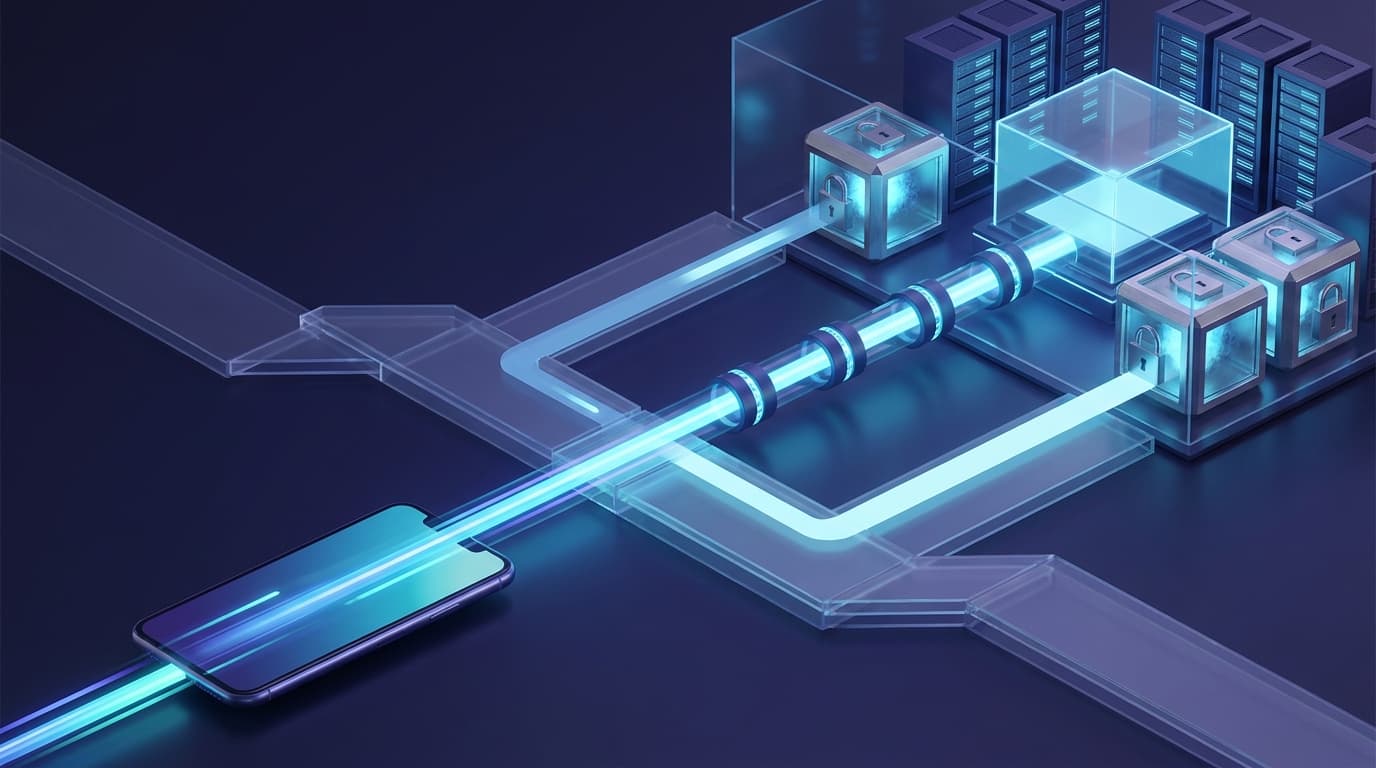
OpenAI says the files, credentials, permissions, and local setup stay on the machine where Codex is operating, while the phone receives synchronized state through a secure relay. That is exactly the right architecture for serious use. Nobody sane wants frontier coding agents piping full workstation access through some janky public endpoint just because mobile monitoring sounds cool.
Then there is Remote SSH. OpenAI says it is now generally available, which means Codex can run directly inside managed remote environments instead of only a local laptop. That matters for enterprise teams because the approved dependencies, network policies, secrets, and compute already live there. Put bluntly, this is how the tool grows up from impressive toy to actual operating surface.
Secure relay plus remote SSH is what makes the mobile layer believable. Without that, you have a novelty remote. With it, you have a viable way to supervise production-adjacent work from anywhere without spraying credentials all over the place.
Auditability just became a competitive weapon
This is the part more teams should notice.
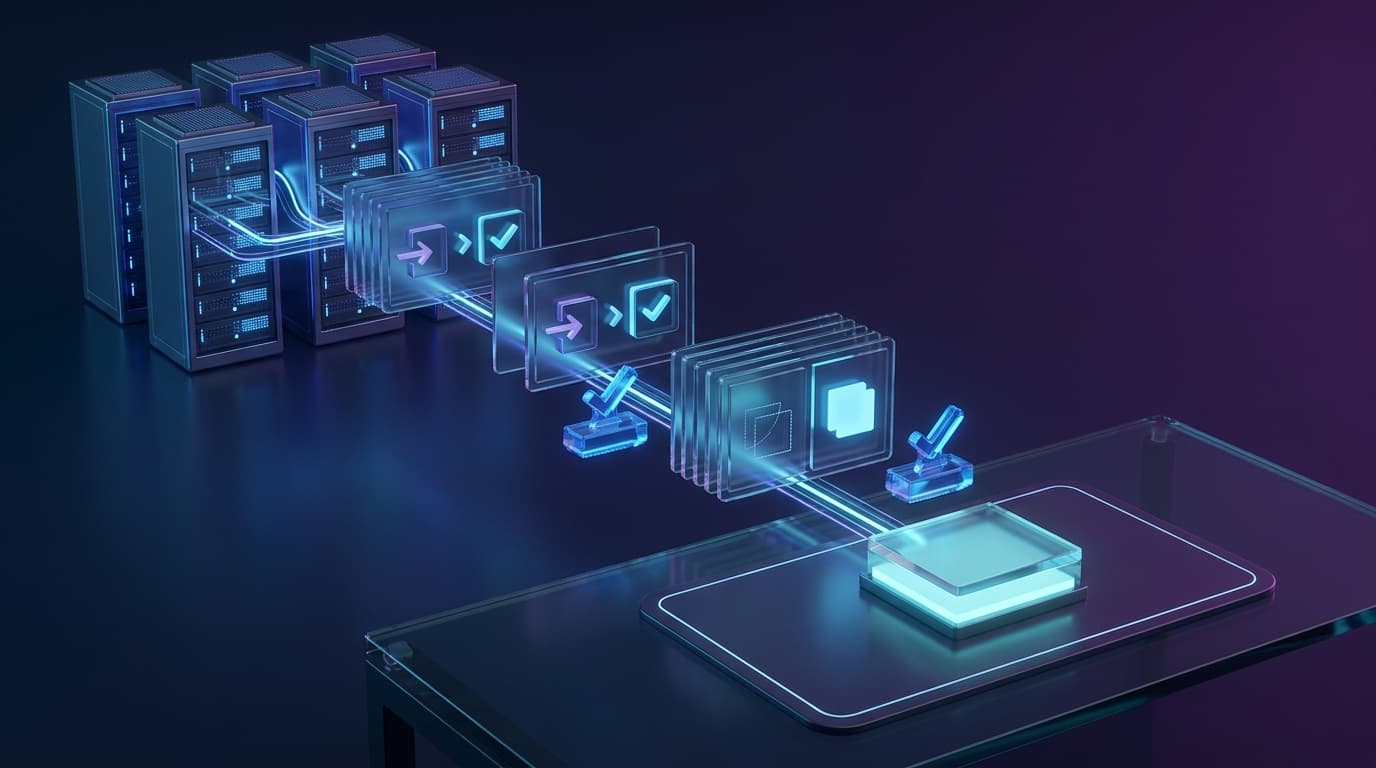
Once work spans desktop, remote machine, and phone, the winning product is not just the one that feels fastest. It is the one that leaves the clearest trail. OpenAI is leaning into outputs that can be reviewed: screenshots, terminal logs, diffs, approvals, thread state. The changelog also shows work on thread pagination, turn diffs, auto-review docs, hooks, and richer review analytics.
That stack points in one direction: software teams are moving from "AI helper" toward "agent work with receipts."
That matters because managers, security teams, and senior engineers do not want vibes. They want evidence. What changed? Who approved it? What did the model see? What failed before the final diff landed? Mobile review is not just convenience. It expands the audit surface.
Claude Code should feel this pressure
Anthropic moved early with remote monitoring for Claude Code. OpenAI clearly noticed.
The Verge and TechCrunch both frame this rollout as part of the fight for agentic coding mindshare, and they are right. OpenAI is not shipping this because people begged for one more mobile tab inside ChatGPT. It is shipping this because control loops matter, and Claude Code proved developers will reward any product that keeps the agent usable between desk sessions.
My take is simple: the market is shifting from best model to best supervision loop.
The winner will not be the system that writes the flashiest patch in a benchmark clip. It will be the one that lets teams dispatch work, review progress, interrupt safely, approve risky actions, and resume without losing context. That is a product problem, a trust problem, and an infrastructure problem all at once.
What builders should do now
A few blunt takeaways:
- Treat mobile approval as part of your dev workflow, not a side feature.
- Move long-running agent work into remote environments with sane SSH hygiene.
- Define which actions require explicit approval and which can auto-run.
- Preserve logs, diffs, and review trails because those receipts will matter later.
- Benchmark your supervision loop, not just model quality.
If your team is evaluating Codex versus Claude Code, stop obsessing over isolated output quality. Measure interruption recovery, review clarity, approval friction, and how well the tool keeps work moving when no one is at a desk. That is where the real productivity gap will open.
My blunt read
OpenAI did not just put Codex on mobile. It tightened the loop between human judgment and long-running agent execution.
That is a bigger deal than the headline suggests.
Once builders can steer live threads, approve risky steps, and inspect remote work from the phone, agent workflows stop feeling like demos and start feeling like operations. And once that happens, every serious player in coding AI has to compete on coordination, auditability, and trust instead of pure generation quality.
That is the real story.
Sources: OpenAI, "Work with Codex from anywhere", OpenAI Codex changelog, The Verge, TechCrunch