Anthropic's real Glasswing story is the patch bottleneck
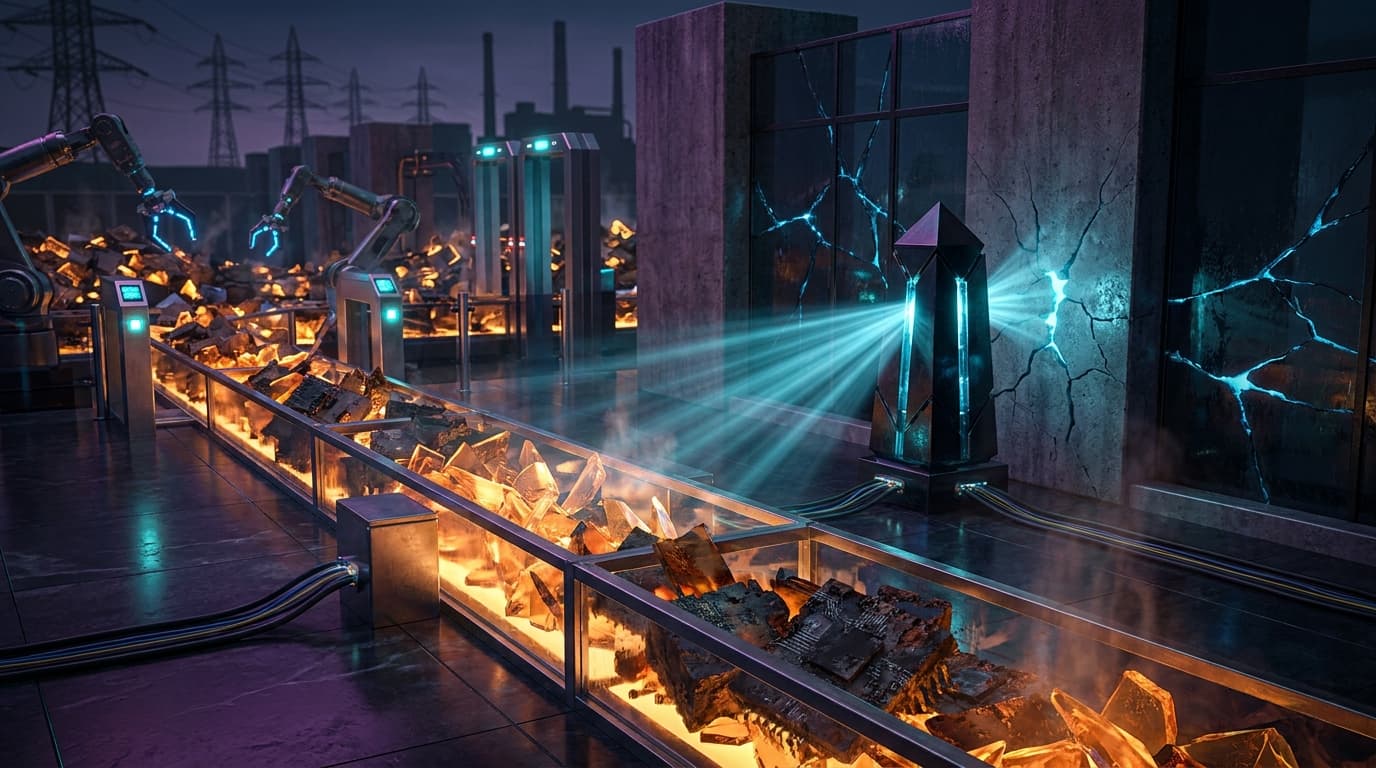
Anthropic expanded Project Glasswing on June 2, 2026 one day after filing its confidential S-1. The more important signal is not the IPO optics. It is that frontier cyber AI has already made vulnerability discovery abundant, and the industry is now bottlenecked on triage, disclosure, patching, and deployment.
Listen to this post
Anthropic gave the market two different stories in two days.
On June 1, 2026, it said it had confidentially submitted a draft S-1 to the SEC. On June 2, it expanded Project Glasswing to approximately 150 new organizations across more than 15 countries after saying the first group had already found more than 10,000 high- or critical-severity security flaws. (Anthropic on the S-1, Anthropic on the Glasswing expansion)
The IPO headline will get more casual attention.
The Glasswing update is the more important operating signal.
Why? Because Anthropic is effectively saying the hard problem in AI-powered cybersecurity is no longer whether frontier models can surface serious bugs at scale.
It is whether the ecosystem can absorb the output.
Discovery is getting cheaper. Repair is not.
Anthropic's own wording is unusually direct here.
The company says the first Project Glasswing cohort used Claude Mythos Preview to scan codebases and has already found more than 10,000 high- or critical-severity flaws. It also says the next phase of the program is not just about wider access. It is about shifting support "from finding vulnerabilities to disclosing, fixing, and deploying patched software." (Anthropic on the Glasswing expansion)
That is the key line.
If model-assisted cyber discovery were still the main constraint, Anthropic would be talking mostly about bigger partner counts, higher benchmark scores, or better scanning reach.
Instead, it is talking about disclosure workflows, patching capacity, and deployment.
That tells you the frontier has moved.
CSO's coverage framed the same issue clearly: if systems like Glasswing multiply vulnerability discovery, the real bottleneck becomes whether vendors and enterprise security teams can validate and ship the fixes quickly enough. (CSO)
This is exactly the problem mature operators should be worrying about.
In other words, AI is turning vulnerability discovery into a throughput problem. Once that happens, organizational slack matters more than model demos.
The critical-infrastructure angle matters more than the partner count
Anthropic says the added organizations are concentrated in sectors that were underrepresented in the first cohort, including power, water, healthcare, communications, and hardware. It also says many of the new entrants are vendors or nonprofits that maintain codebases other organizations depend on, and that a successful attack on most partner codebases could affect more than 100 million people. (Anthropic on the Glasswing expansion)
That is a bigger clue than the raw number.
The program is expanding along dependency lines, not hype lines.
Anthropic is prioritizing the codebases and infrastructure layers where a single flaw can propagate through hospitals, utilities, telecom providers, banks, government systems, cloud platforms, and the software supply chain behind them.
Reuters summarized the same move as Mythos access roughly quadrupling to about 200 total Glasswing partners. That total matters less to me than the composition of the group. The signal is that Anthropic wants controlled access concentrated where transitive risk is highest. (Reuters via Investing.com)
This is what a real cyber platform strategy looks like.
It is not "give every developer a stronger scanner."
It is "route the strongest capability through the institutions that own the largest blast radii."
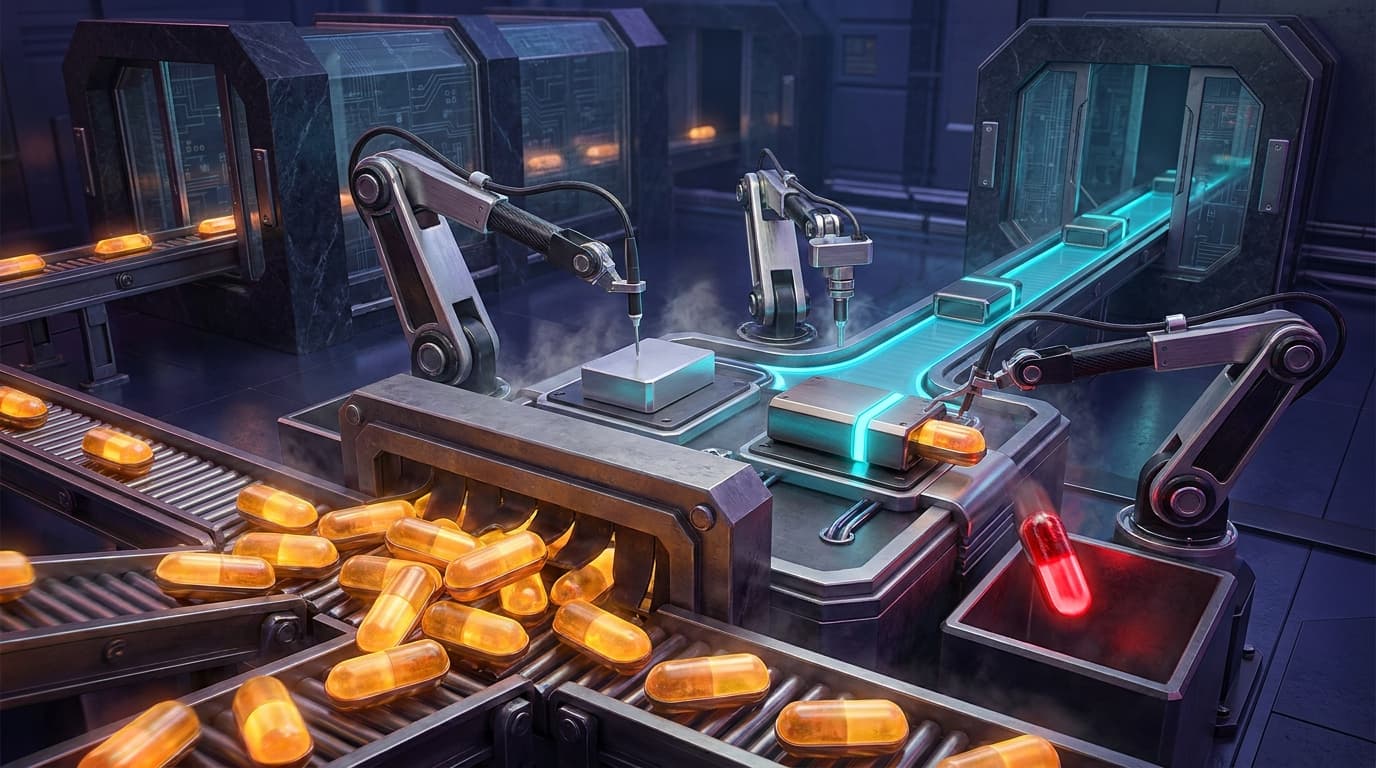
Anthropic is quietly redefining what responsible release means
The Glasswing update also makes Anthropic's release philosophy more concrete.
The company says many other AI firms could have Mythos-class cyber models within 6 to 12 months, potentially without safeguards strong enough to prevent misuse. Its answer is not to freeze progress. Its answer is to widen defensive access first, while delaying general access until stronger safeguards exist. (Anthropic on the Glasswing expansion)
That is a meaningful position.
It treats safety less like a lab-only evaluation exercise and more like a distribution architecture problem:
- who gets the strongest model first
- what operational controls surround it
- whether the patching ecosystem can keep pace with the discovery ecosystem
This is why I think the S-1 headline can mislead people.
Yes, Anthropic is moving toward public markets.
But the more interesting move is that it is trying to establish the operating norms for high-end cyber models before those norms are forced on everyone else by a crisis.
That includes access gating.
It includes trusted-partner selection.
And it includes a public admission that the scarce asset is not only model capability. It is remediation capacity.
What builders and security teams should take from this
If you run software teams, cloud environments, or security operations, the takeaway is not "Anthropic added more logos to a partner program."
The takeaway is that model-speed discovery is becoming normal, and your remediation stack probably is not built for it.
That means at least five practical questions matter right now:
- Can your team separate high-confidence findings from noise quickly enough to matter?
- Do you have ownership paths for urgent fixes across first-party and third-party code?
- Can you generate patches safely without creating fresh defects or outages?
- Can you prove which fixes were validated, deployed, and monitored?
- Do your most critical vendors and open-source dependencies have equivalent patch discipline?
If the honest answer to several of those is no, then the risk is not theoretical.
The offensive side does not need perfect automation to create stress. It just needs to surface weaknesses faster than defenders can close them.
My take
Anthropic's June 2 Glasswing expansion is important because it signals a transition point in AI cybersecurity.
We are moving from an era where vulnerability discovery was scarce and expensive into one where it can become abundant and cheap for the organizations with early access.
That does not make the world automatically safer.
It may actually make operational weakness more visible.
The winners in this phase will not only be the labs with the strongest cyber models.
They will be the institutions that can triage findings, patch responsibly, ship fast, and do it across interdependent systems without losing trust.
That is the real competitive moat Glasswing is pointing at.
And it is why the patch bottleneck is the story worth watching.

Sources: Anthropic on the Glasswing expansion, Anthropic on the confidential S-1 filing, Reuters via Investing.com on the wider Mythos rollout, CSO on the patch bottleneck