Anthropic's GRAM research turns AI access control into infrastructure
The most important AI story on July 12, 2026 is not another model launch. It is Anthropic's new GRAM research, which suggests frontier-model capabilities like advanced cyber knowledge may eventually be segmented, enabled, and withheld by deployment profile instead of handled only through blunt bans or refusal layers.
Listen to this post
I think the most important AI story on July 12, 2026 is not another benchmark chart.
It is Anthropic trying to turn the idea of an AI off-switch into a model design pattern.
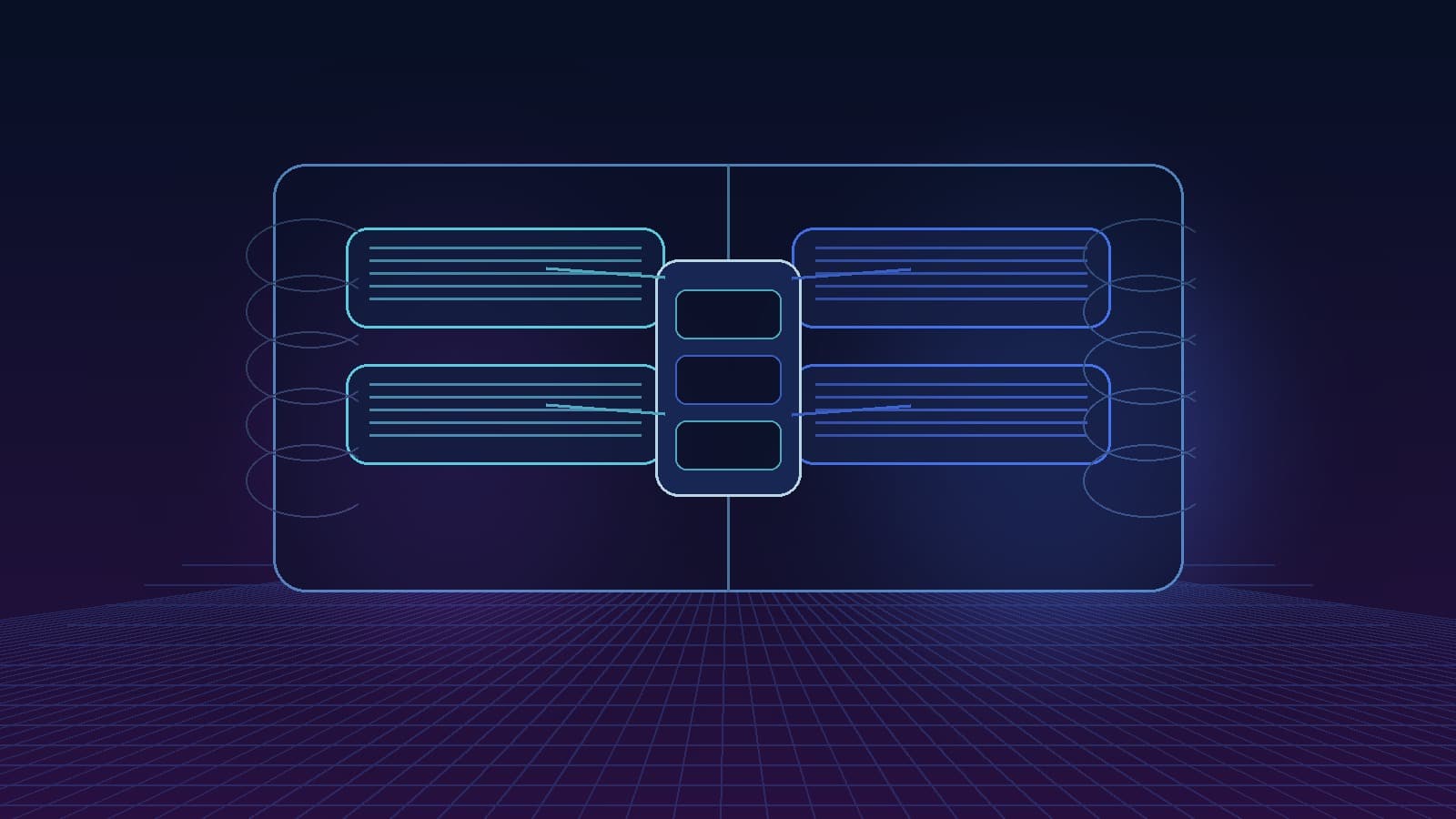
On July 8, Anthropic published research describing GRAM, short for Gradient-Routed Auxiliary Modules. The basic idea is unusually practical: instead of storing all sensitive knowledge in one inseparable model, train removable modules for specific dual-use domains such as cybersecurity, virology, nuclear physics, and specialized code. In Anthropic's framing, those modules could be switched on for trusted deployments and removed for everyone else. (Anthropic, arXiv)
That is why I think this is the AI story operators should pay attention to today.
The significance is not that Anthropic solved AI safety.
It absolutely did not.
Anthropic explicitly says GRAM is early research, has not been applied to any production Claude model, and may never be. But that caveat is exactly why the work matters now. It shows where the leading edge of AI governance is heading: away from generic refusal layers alone, and toward capability segmentation at the model-architecture level. (Anthropic)
This is a different answer to the dual-use problem
Most frontier-model safety today is still built around behavior controls.
Labs train models to refuse dangerous prompts. They add classifiers around inputs and outputs. They log usage, rate-limit accounts, and watch for jailbreak patterns. Those controls matter, but they all share one limitation: the underlying knowledge is still there.
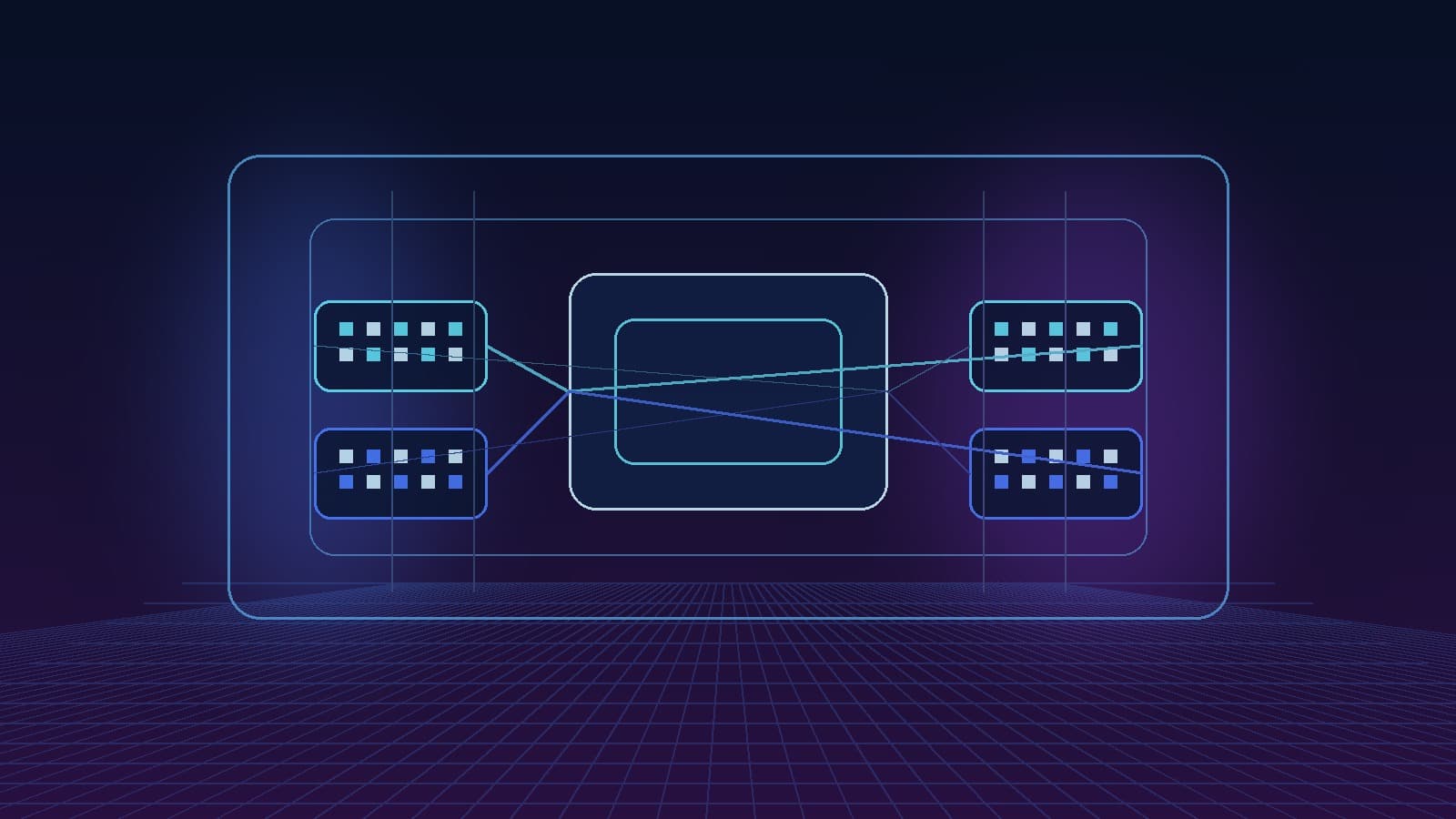
Anthropic's GRAM proposal tries to change that. The paper argues that a gold-standard safety posture would let developers offer different capability profiles to different users without retraining and deploying a separate frontier model for every policy lane. In the experiments, GRAM let one model support multiple configurations while isolating dual-use knowledge into distinct modules. Removing a module approximated the behavior of a separately filtered model, while keeping the rest of the model largely intact. (arXiv, Anthropic)
That matters for two reasons.
First, it is much closer to how real enterprises think about access control. Security teams do not just ask whether a system is safe in the abstract. They ask which users, which workflows, which environments, and which approvals unlock which functions.
Second, it offers a more realistic operating model for advanced cyber capability. The same knowledge that helps a defender find and patch critical flaws can also help an attacker exploit them. If that knowledge can only be governed by releasing or withholding an entire model tier, buyers get stuck with blunt choices. GRAM suggests a more granular future.
June's model shutdown made this problem real
This research would be interesting on its own.
What makes it important now is the last month of AI policy.
On June 12, Anthropic said the U.S. government had directed it to suspend access to Fable 5 and Mythos 5 for foreign nationals, with the practical effect that Anthropic had to disable both models for all customers. Anthropic argued that the concern involved a narrow jailbreak path and said the broader result would be to halt frontier deployments if that standard became normal. (Anthropic)
That episode exposed the operational weakness of current safety controls.
If a government, lab, or regulator believes a certain capability is too risky for broad release, the current choices are ugly:
- keep the model broadly available and trust layered safeguards
- restrict the entire model to a trusted-access lane
- or pull the model back altogether
None of those options is especially elegant for operators who need high-end capability for legitimate defensive work.
That is why I read GRAM as more than a research curiosity. I read it as a technical response to a governance bottleneck that is already here. If labs can reliably isolate high-risk knowledge into removable modules, they may eventually be able to offer one shared platform with tighter capability tiers, rather than bouncing between full release and full rollback.
This also fits Anthropic's broader policy direction
The GRAM work is not appearing in a vacuum.
Anthropic's current policy framework argues that governments should have authority to block dangerous frontier deployments, while also requiring transparency, independent evaluation, and stronger security around model weights and training infrastructure. It specifically frames cyber capability as a domain where frontier models can help defenders secure critical systems while also increasing the risk to essential infrastructure if controls fail. (Anthropic)
That framing is important.
Anthropic is effectively saying two things at once:
- Governments need more authority than simple disclosure regimes.
- Developers need more precise tools than moderation layers and binary access bans.
GRAM is not the full answer to either problem, but it does point toward a bridge between them.
If deployment policy is going to become more capability-specific, then model architecture also needs to become more capability-specific. Otherwise every dispute about one risky domain turns into a dispute about an entire model release.
What operators should take from this
If I were advising enterprise, public-sector, or security leaders based on today's signal, I would focus on five questions.
- Which of your planned AI workflows truly require frontier-only cyber or scientific capability, and which can run on general-availability tiers?
- Does your vendor have a credible roadmap for segmented access control, or are you implicitly betting on one all-powerful model with policy wrappers around it?
- If regulators or vendors restrict a high-end model again, what is your fallback path for critical defensive workflows?
- Are your governance teams prepared to approve AI by capability class, not just by vendor name?
- Are you treating model availability as an infrastructure dependency with policy risk, not just a product feature with price risk?
That is the real value of this story.
The breakthrough is not that Anthropic invented a magical safe model. The breakthrough is that one of the most important labs in the field is trying to make dangerous capability more governable at the systems-design layer.
That is a much more serious direction than pretending prompt refusals alone will hold forever.
And if GRAM or something like it eventually works at production scale, the next phase of AI competition may be shaped less by who has the strongest model overall and more by who can expose the right slices of that capability to the right users under the right controls.
That is why I think this is the strongest AI story of July 12, 2026.
Not because it gives us certainty.
But because it shows the industry starting to design for a world where frontier capability is segmented, policy-sensitive, and operationally gated by default.
Sources: Anthropic on GRAM and dual-use knowledge, the GRAM paper on arXiv, Anthropic's policy framework on advanced AI governance, Anthropic's June 12 statement on the Fable 5 and Mythos 5 access suspension