Human Review Loops for AI Workflows
AI pilots fail after the demo when no one owns the exception path. Design human review loops—queues, confidence signals, logging, and ownership—before you scale automation.
Listen to this post
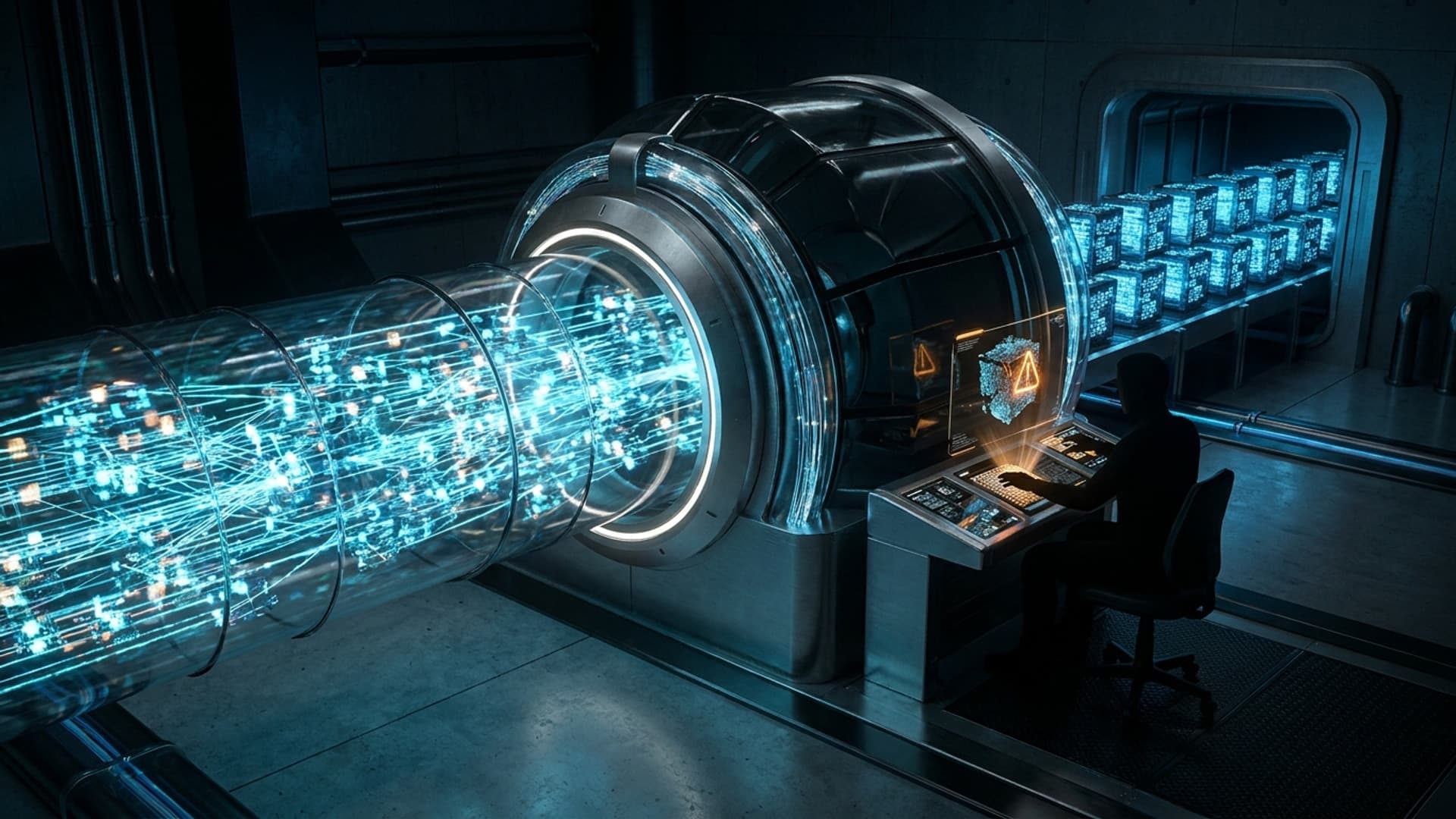
Most AI pilots die between demo day and week-two operations. The model still “works.” What fails is the boring path: who reviews the output, what gets logged, and who is on the hook when the model is wrong.
This is an engineering guide for teams that want dependable AI workflows, not theater.
When AI output needs a gate
Add a human (or dual-control) review step when the action is any of:
- Customer-facing — emails, quotes, public answers, policy language
- Irreversible or expensive — payments, access grants, data deletes, external API writes
- Regulated or high-trust — anything that could create liability if wrong
- Low-confidence or novel — inputs outside the training distribution of your eval set
If none of those apply, you can often auto-route with monitoring. If two or more apply, ship a queue first.
Review UX patterns that work
1. A real queue (not a Slack thread)
Reviewers need:
- Input snapshot (what the model saw)
- Proposed action / draft
- Confidence or rule flags (even simple heuristics help)
- Accept / edit / reject with reason codes
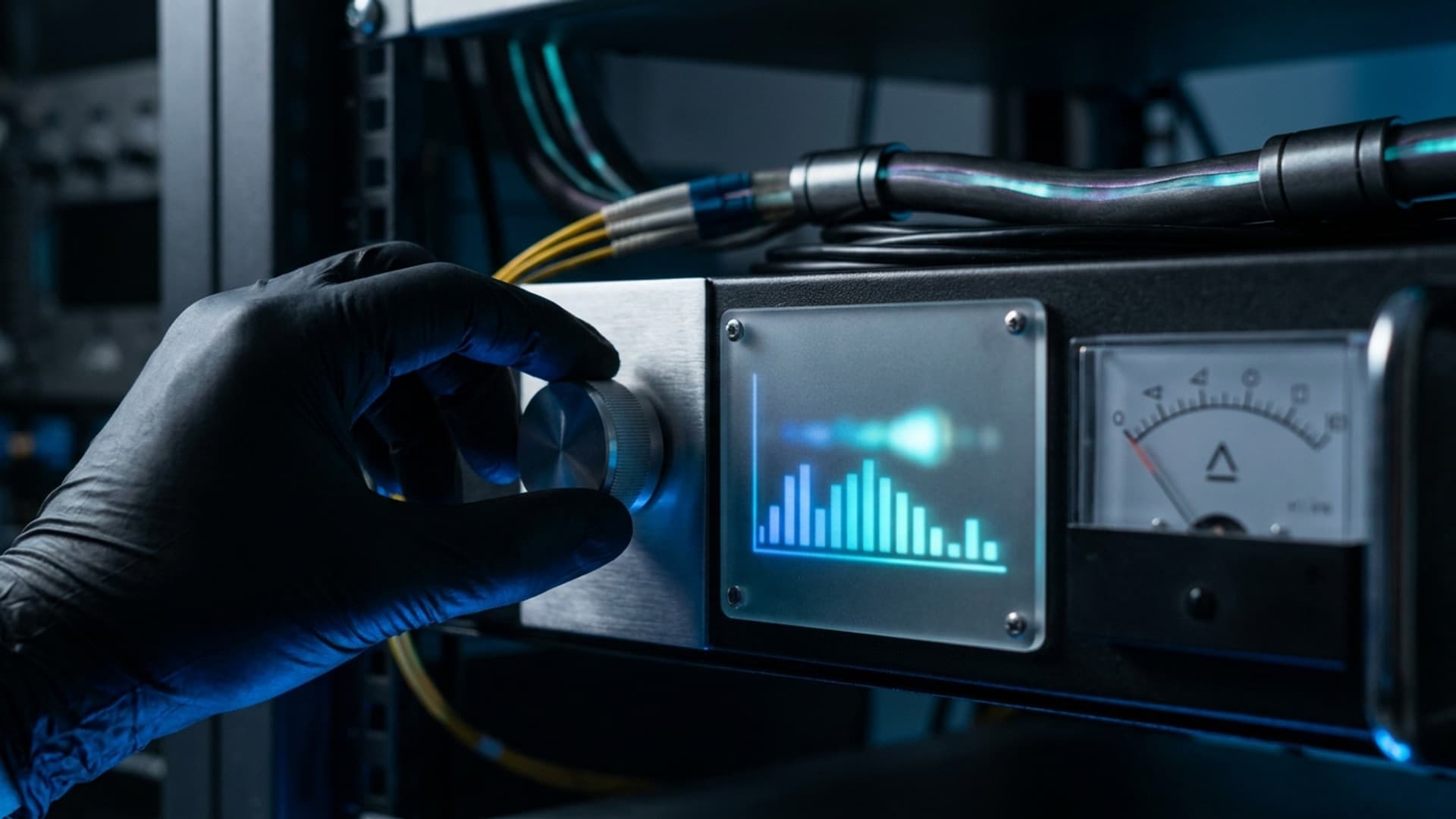
2. Confidence as a signal, not a religion
You do not need perfect uncertainty estimates. Start with:
- Schema validation failures → hard block
- Keyword / policy hits → force review
- Length/anomaly outliers → force review
- “Looks fine” → sample audit percentage
3. Escalation path
Every item needs a second step: “I am not sure.” Route to a senior owner with a deadline. Silence is a production bug.
Logging and evaluation before scale
Before you raise volume:
- Log inputs, model version, outputs, reviewer decision, final action
- Keep a small eval suite of real cases (happy path + failure path)
- Re-run evals when you change prompts, tools, or models
- Track time-in-queue and edit rate (if reviewers always rewrite, the model is not ready)
If you cannot answer “what failed last week and why,” you are not ready to remove the human.
Ownership handoff checklist
When you ship an AI workflow, name:
| Role | Responsibility |
|---|---|
| Product owner | When to auto vs review |
| Ops reviewer | Daily queue coverage |
| Engineer | Reliability, logging, rollbacks |
| Accountable exec | Accepts residual risk |

No named owner → the queue becomes a junk drawer.
What we deliberately will not automate
At Defendre Solutions, unsupervised automation for high-consequence decisions is a non-fit. Judgment stays with people. Software should make the exception path obvious—not hide it behind a spinner.
That constraint is a feature for small teams: you get speed on the boring 80% and discipline on the 20% that can hurt you.
Practical next step
Map one workflow on a whiteboard:
- Trigger
- Model / tool step
- Review gate (who, SLA)
- Final action
- Log + rollback
If you want help designing review points for a real process, start a project conversation.