Anthropic’s Akamai Deal Means AI Advantage Is Moving to the Edge
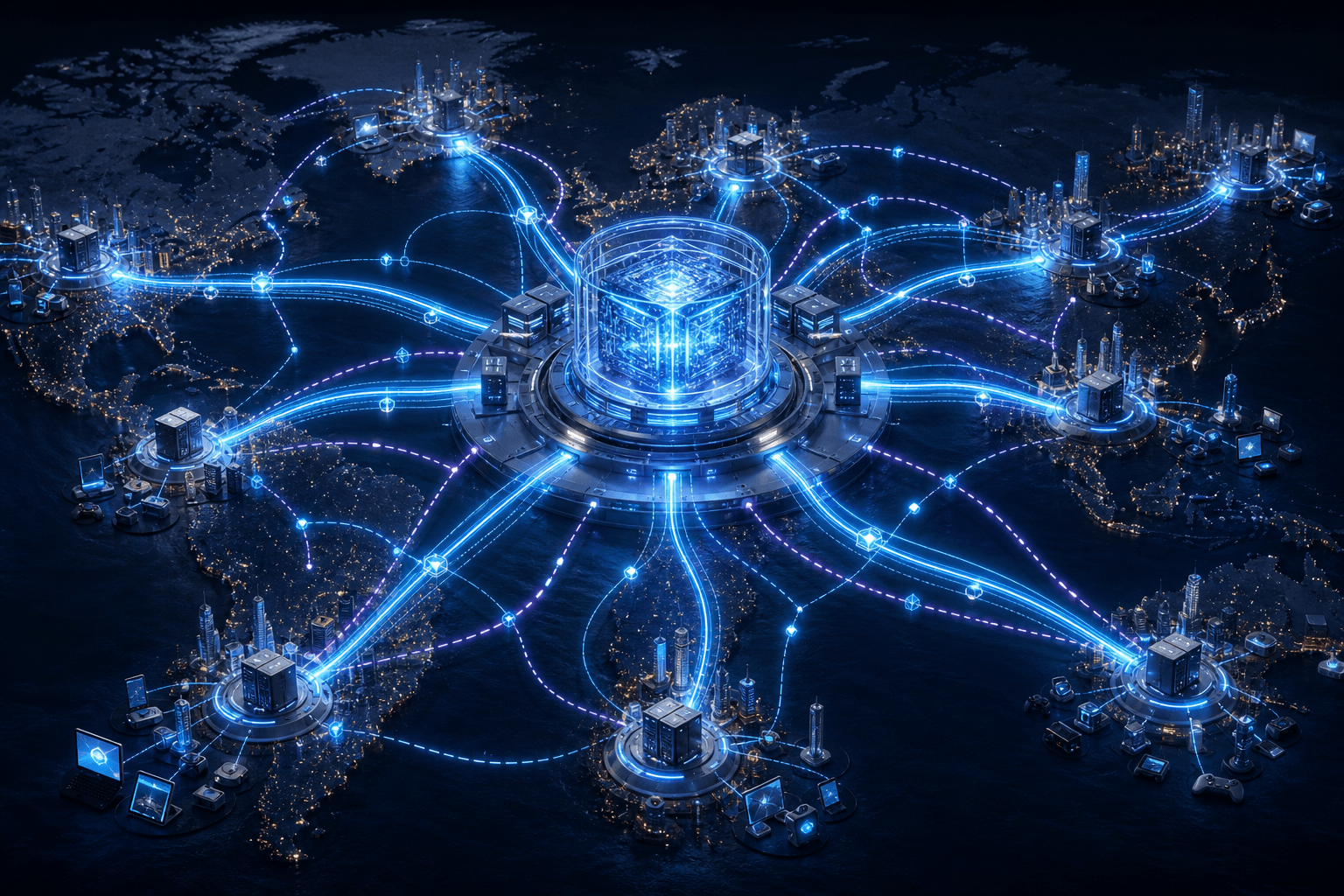
Anthropic’s reported $1.8 billion compute deal with Akamai is not just another infrastructure contract. It is a signal that frontier AI advantage is shifting from pure model quality toward inference distribution, edge capacity, and who can stay fast and reliable closest to the user.
Listen to this post
Most AI coverage still treats compute like a giant warehouse problem. More GPUs. Bigger data centers. Better models.
That framing is getting stale.
Anthropic’s reported $1.8 billion compute deal with Akamai is interesting precisely because Akamai is not the obvious name in frontier AI infrastructure. AWS is obvious. Google is obvious. Microsoft is obvious. Akamai tells you something else is happening.
The next layer of AI advantage is not just model quality. It is distribution.
This is an inference story, not just a capacity story
Reuters reported on May 8 that Anthropic signed a $1.8 billion computing deal with Akamai, while Akamai disclosed a long-term agreement with a frontier model provider as demand for Anthropic’s software surged. Akamai’s own Q1 2026 results add the scale: a customer committed $1.8 billion over seven years for its Cloud Infrastructure Services segment, where revenue jumped 40% year over year to $95 million.
That is not a small experimental deployment. That is a strategic infrastructure commitment.
If Anthropic only wanted raw training capacity, there were more expected ways to buy it. The reason this deal stands out is that Akamai has spent the last year positioning itself around distributed inference, not just centralized cloud. CNBC summarized the pitch clearly: Akamai says it can run AI workloads across 4,300 locations in 700 cities and 130 countries, which means serving models closer to where users actually are.
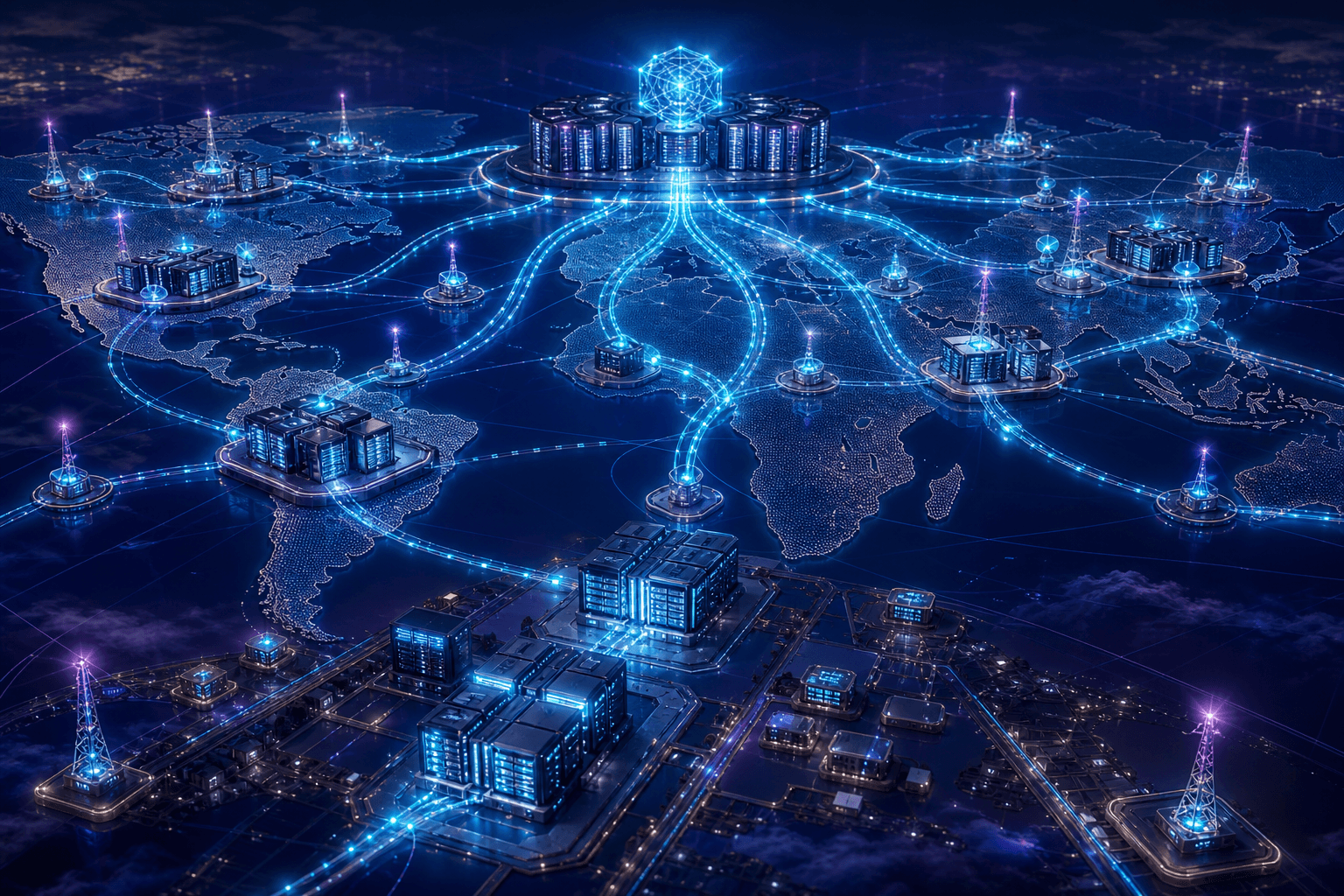
That matters because inference is where user experience lives. Nobody cares that your model scored slightly higher on a benchmark if it feels slow, times out under load, or performs unpredictably across regions.
Why the edge suddenly matters more
The industry spent two years obsessing over training clusters because that was the scarce thing everybody could see. But once frontier labs start shipping real enterprise and developer workloads at scale, a different set of constraints takes over:
- latency across geographies
- reliability under bursty demand
- regional failover and redundancy
- data residency and routing control
- cost of serving inference repeatedly, not just training once
Those are edge and distribution problems.
Akamai is strong exactly where many AI-native companies are thinner than they want to admit: global delivery, network proximity, and hardened traffic operations. If Anthropic is pairing model demand with distributed serving capacity, it suggests the company sees inference routing as strategic infrastructure, not an implementation detail.
That lines up with the broader supply picture. Reuters reported two days earlier that Anthropic also tapped SpaceX’s Colossus 1 for 300 megawatts of capacity and doubled Claude Code limits after usage surged. Put those together and the message is pretty blunt: demand is outrunning clean, centralized capacity plans.
The power shift builders should pay attention to
This is the part I think too many founders will miss.
If inference distribution becomes the bottleneck, power shifts toward the companies that control where compute sits, how traffic gets routed, and how gracefully workloads degrade when demand spikes.
That changes vendor leverage in at least four ways.
- Latency becomes product strategy. Fast answers stop being a nice-to-have and start becoming a competitive moat.
- Reliability becomes vendor concentration risk. If one provider owns too much of your serving path, outages and throttling hit harder.
- Edge presence becomes pricing power. The closer a provider can run inference to users, the more it can justify premium economics.
- Regional coverage becomes enterprise leverage. Large customers care about jurisdiction, uptime, and user experience by market, not abstract model leadership.
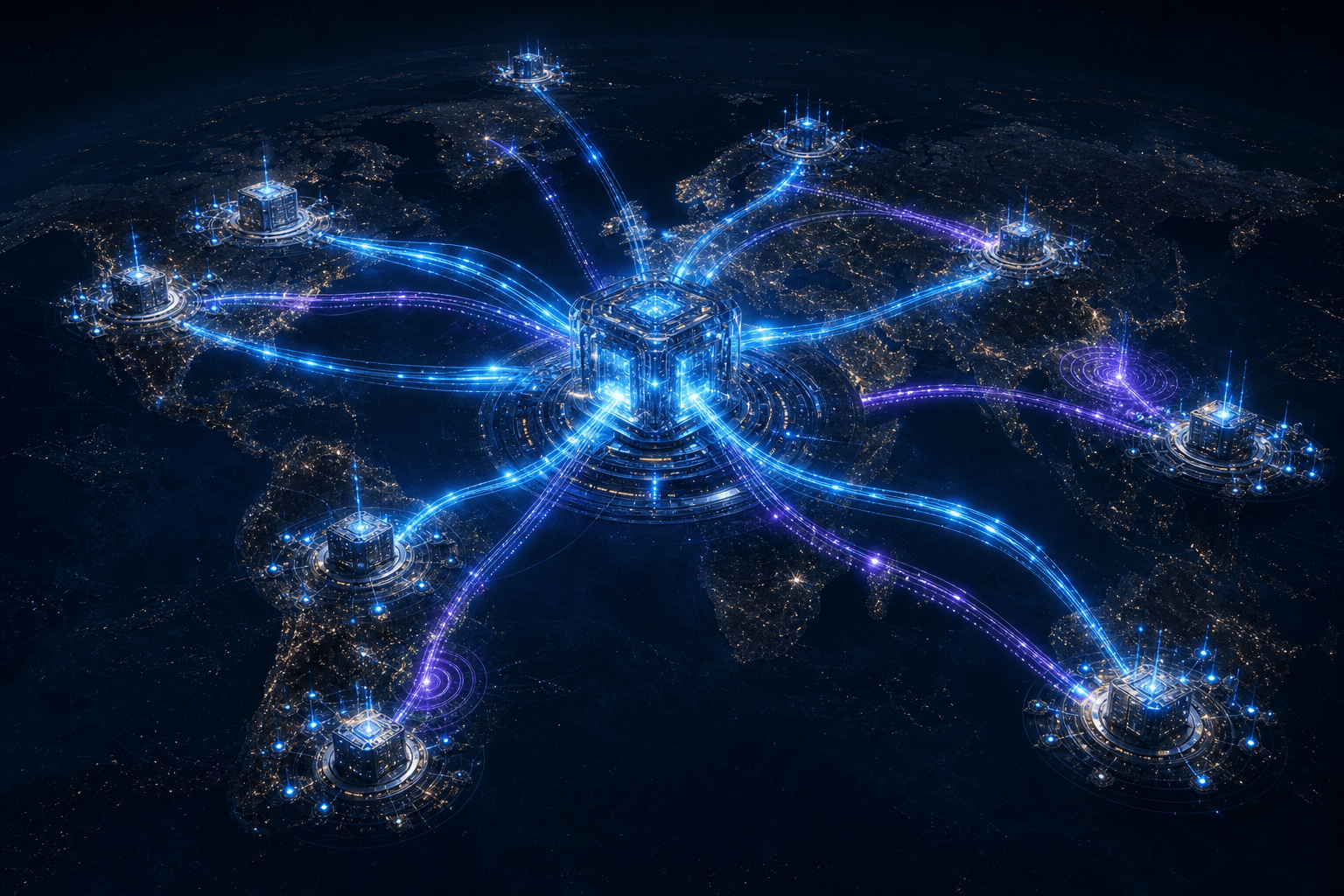
For builders, this means model selection is about to get more operational. The question is no longer just, “Which model is smartest for this task?” It is, “Which model-provider stack stays fast, available, and affordable in the places my users live?”
This also says something about frontier model economics
The old AI narrative was that the best lab wins by building the best model, then everyone else lines up.
Reality is messier.
Frontier labs now need a whole ladder of supply:
- training capacity
- inference capacity
- networking and delivery
- regional redundancy
- commercial contracts that lock all of it in before rivals do
That is why these deals keep getting larger and stranger. They look like cloud contracts, but they behave like strategic control points.
The more inference matters, the less any lab can depend on a single giant region and hope for the best. AI is turning into a distributed systems business in the most literal sense. The labs that win will not just train smarter models. They will deliver them more consistently under real-world demand.
What I would do if I were building on Claude right now
If you run production workloads on Anthropic or any frontier provider, I would treat this Akamai deal as a warning and an opportunity.
First, assume serving architecture now matters as much as model capability for your end-user experience.
Second, ask harder questions about geographic performance, fallback paths, queue behavior, and rate-limit handling.
Third, stop thinking of “multi-cloud” as a board-slide buzzword. For AI inference, it is quickly becoming a resilience requirement.
And finally, watch where the infrastructure partnerships are happening. They reveal where the real bottlenecks are before the pricing pages do.
My read is simple: Anthropic is telling the market that the fight is moving outward from the model into the network.
Builders should believe them.
Sources: Reuters on the Akamai deal, Akamai Q1 2026 results, CNBC on Akamai’s distributed inference footprint, Reuters on Anthropic’s broader compute demand