OpenAI vs DeepSeek: What the 'Cheating Memo' Means for Builders
This is not just platform drama. It is a live case study in extraction risk, API defense, and the policy constraints shaping frontier AI products.

Listen to this post
The OpenAI-DeepSeek conflict is easy to frame as headline drama. The better framing is operational: this is what frontier competition looks like once models become strategic infrastructure.
If output harvesting or evasive query patterns are part of the threat model, your moat is not only model quality. Your moat is the quality of your enforcement stack.
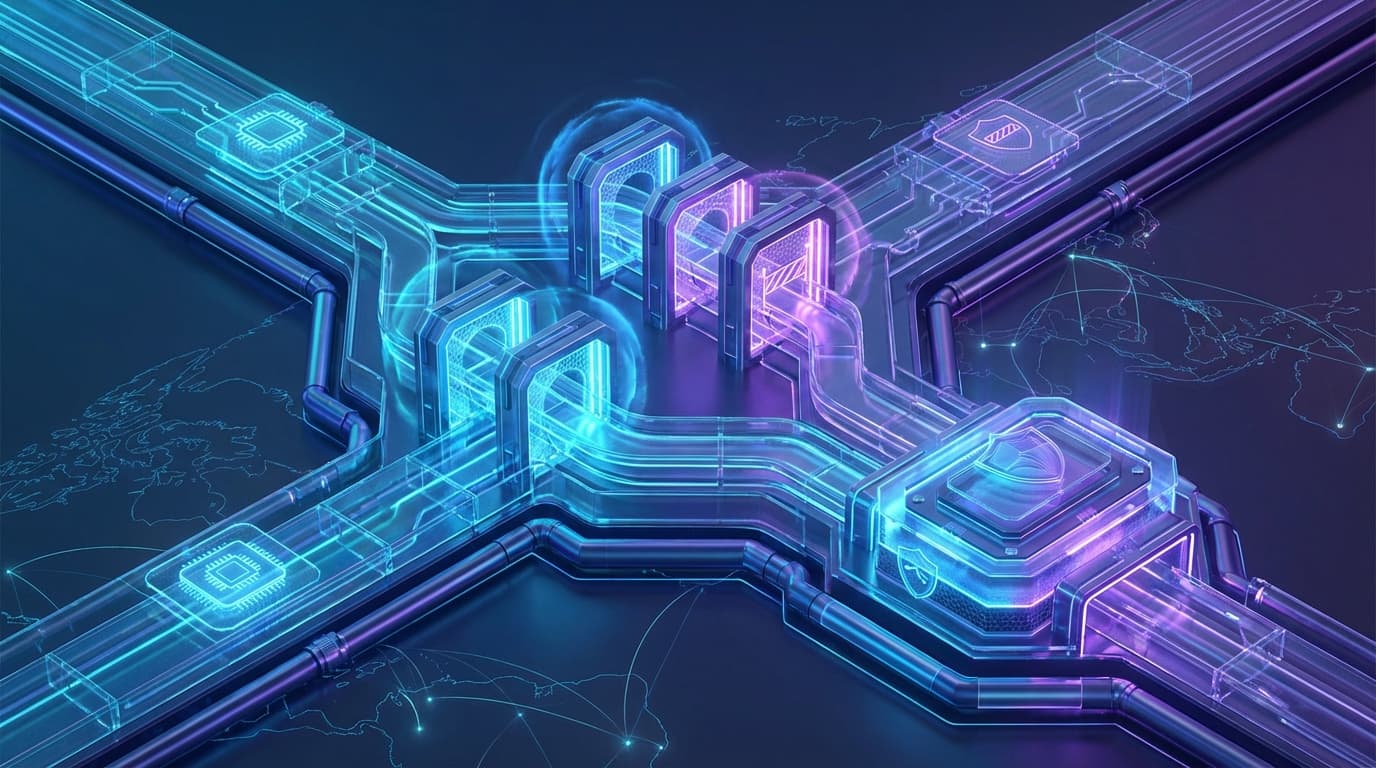
The Real Battleground Is Controlled Access
Most teams still compare providers as if this were a simple benchmark race. In practice, the harder question is who can scale capability while detecting abuse, containing extraction, and preserving trust.
The next AI moat is operational discipline: access control, telemetry, and fast enforcement.
Three Practical Lessons for Product Teams
-
Model endpoints are critical infrastructure: treat prompt traffic like production security telemetry, not app analytics.
-
Assume adversarial behavior early: build for anomaly detection, rate controls, and abuse triage before growth spikes.
-
Ship governance with velocity: launch guardrails, audit trails, and rollback paths in the same sprint as new capability.

If you cannot observe extraction patterns in real time, you cannot defend against them.
AI Competition Is Now a Systems Race
Model performance still matters, but the deciding layer is increasingly systems design: compute reliability, legal constraints, and policy alignment. Architecture choices that feel like engineering details today can become compliance blockers tomorrow.
For founders and CTOs, the playbook is straightforward: move fast on product, but pair every capability release with observability, throttling policies, and incident response readiness.
In 2026, product strategy, infrastructure strategy, and policy strategy are one conversation.
Bottom line: the winning AI organizations will be the ones that can protect capability, enforce boundaries, and still ship quickly under pressure.
If your roadmap depends on frontier APIs, hardening your access layer is no longer optional work for later. It is core product work now.