OpenAI Just Matched Anthropic's Cyber Play with a Tiered Access Program
OpenAI announced a multi-tier cybersecurity access program on April 14, 2026, pairing GPT-5.4-Cyber with Aardvark agentic security researcher and a new Frontier Risk Council. This is not just a product update. It is OpenAI matching Anthropic's controlled rollout strategy move-for-move. The AI security race is now a direct two-horse competition.

Listen to this post
OpenAI just laid its cards on the table.
On April 14, 2026, the company announced "Strengthening cyber resilience as AI capabilities advance." The package: GPT-5.4-Cyber with tiered access for cybersecurity professionals, Aardvark agentic security researcher in private beta, and a Frontier Risk Council bringing defenders into policy design.
The timing is not subtle. Anthropic previewed Mythos through Project Glasswing on April 7. One week later, OpenAI ships its own restricted cyber program with the same access controls, the same defensive framing, and the same claims about responsible deployment.
This is two frontier companies racing to define what controlled AI security access looks like before governments write the rules.
The capability jump is real
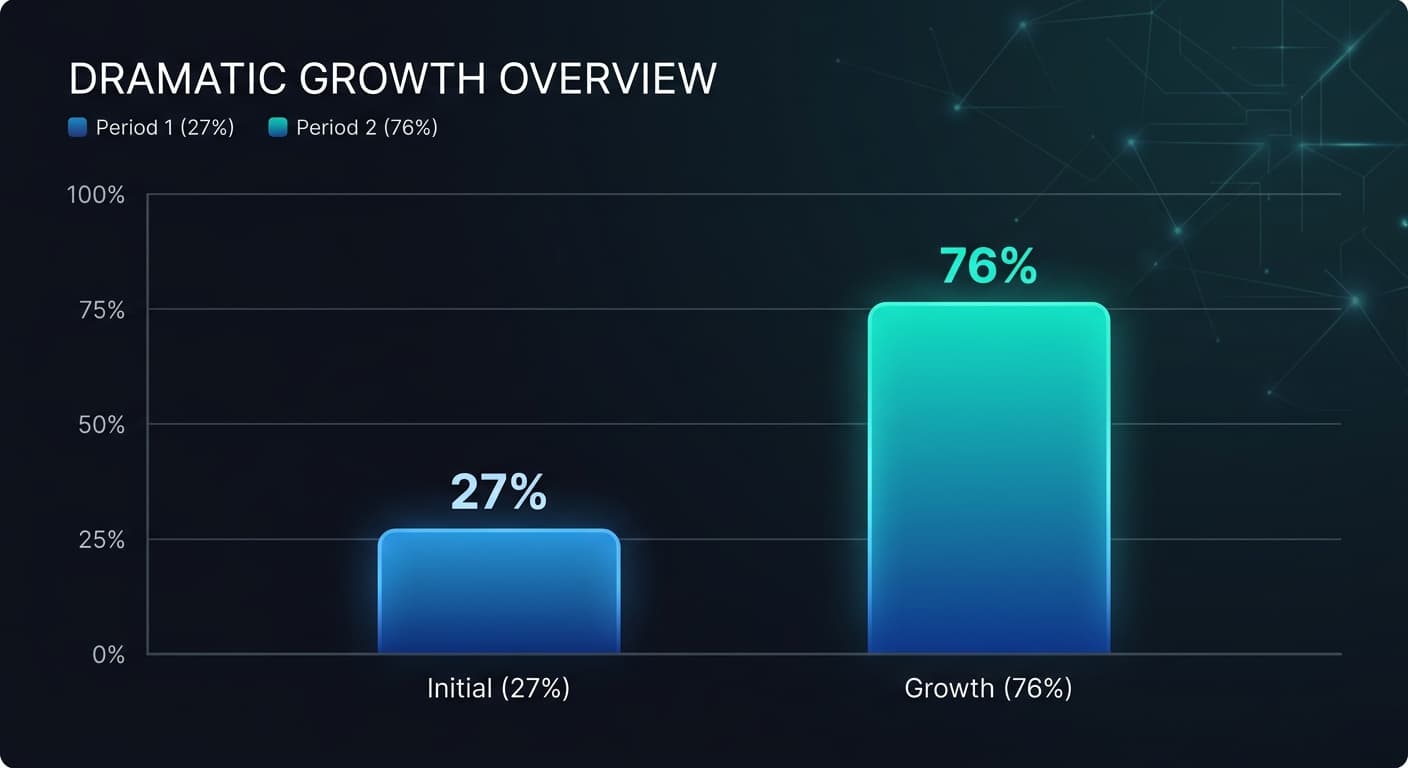
OpenAI buried the most important number deep in the blog post. Cyber capture-the-flag scores went from 27% on GPT-5 in August 2025 to 76% on GPT-5.1-Codex-Max in November 2025.
That is a different class of system.
CTF challenges test whether models can find and exploit vulnerabilities in simulated environments. A jump from 27% to 76% means OpenAI crossed a threshold from "sometimes helpful" to "dangerous in the wrong hands." The company now plans as though each new model could reach "High" cybersecurity capability under its Preparedness Framework. That means models capable of developing working zero-day exploits against well-defended systems or helping with complex, stealthy enterprise intrusions.
OpenAI is saying that out loud. Good. The problem is what comes next.
A model that tears through CTF challenges at 76% can also audit real systems, surface weaknesses, and reason about exploit chains in production environments. Defenders need that. Attackers want that. The difference between defensive and offensive cyber workflows is who asks the question.
That is why the access controls matter more than the demo.
Aardvark is the sharp end of the tool
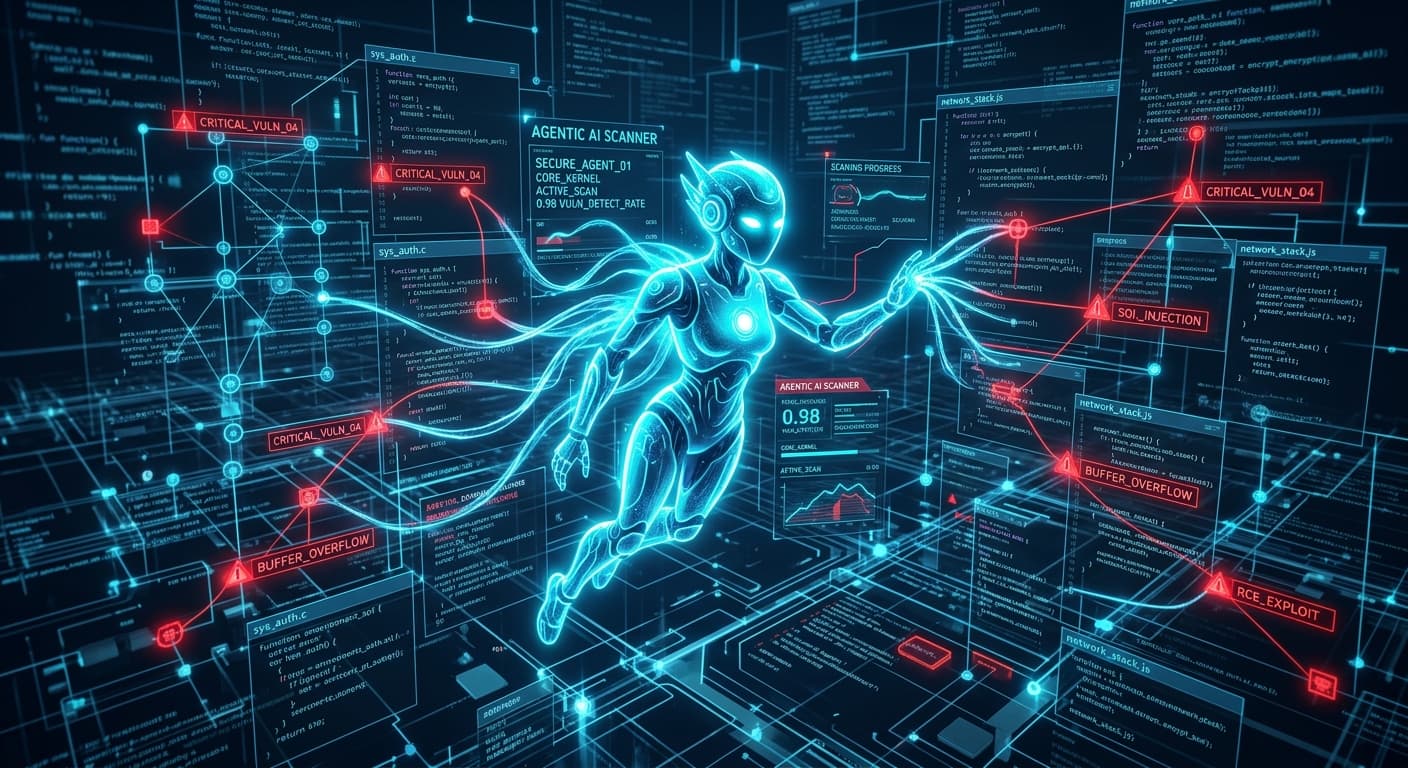
Aardvark is OpenAI's agentic security researcher. It scans codebases for vulnerabilities and proposes patches. The company says it has already identified novel CVEs in open-source software by reasoning over entire codebases. It is now in private beta.
This is not vaporware. Aardvark is live and finding real bugs.
OpenAI plans to offer free coverage to select non-commercial open-source repositories to help secure the supply chain. That is smart positioning. Open source is where critical infrastructure depends on volunteer maintainers, aging dependencies, and brittle codebases. It is also where serious vulnerabilities can sit unpatched for years.
If Aardvark works at scale, it changes the economics of security auditing. Right now, comprehensive code review takes weeks or months and costs serious money. A system that can reason over entire repos, identify exploit paths, and generate patches automatically compresses that timeline to days or hours. That is a huge unlock for defenders.
It is also a huge unlock for anyone trying to understand where the soft targets are.
The dual-use problem does not go away just because the tool ships with good intentions. A system that finds vulnerabilities is a system that maps attack surface. The question is who gets access and how quickly patches land before someone else finds the same bugs.
OpenAI knows this. That is why Aardvark is in private beta and why the trusted access program exists.
The tiered access program is the real story
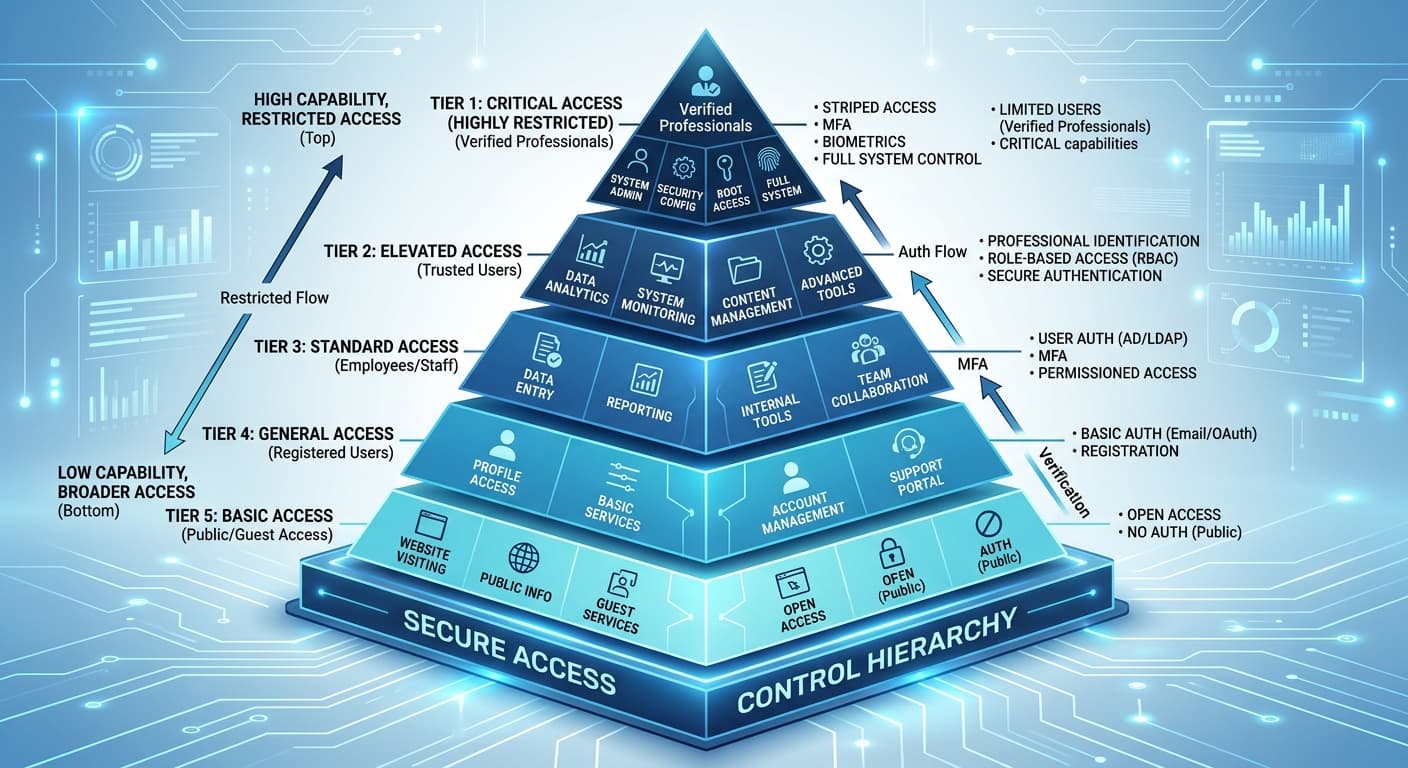
OpenAI is building a "trusted access program" that will provide qualifying users and customers working on cyberdefense with tiered access to enhanced capabilities. The company is still exploring which capabilities get broad access and which ones require tiered restrictions.
That language is careful. It also reveals the tension.
OpenAI wants to give defenders an advantage. It also wants to avoid handing bad actors a cyber assistant. The solution is gatekeeping. Qualify for the program, prove you do defensive work, and you get the stronger models. Everyone else gets a restricted version.
That makes sense in theory. In practice, OpenAI becomes the arbiter of who counts as a legitimate cybersecurity professional and what counts as acceptable use. That is soft power for a private company.
Anthropic faced the same problem with Mythos. It capped Project Glasswing at 40 organizations, partnered with Amazon, Apple, Microsoft, and a few others, and framed the whole thing as responsible AI deployment. OpenAI is doing the same thing with different branding.
Both companies are trying to thread the same needle. Build something powerful. Lock it down enough to avoid catastrophe. Move fast enough to set the template before regulators figure out what to ask for.
The Frontier Risk Council is part of that strategy. OpenAI is bringing "experienced cyber defenders and security practitioners" into close collaboration with its teams. The council will advise on the boundary between useful capability and potential misuse. Those learnings will directly inform evaluations and safeguards.
Translation: OpenAI is building its own policy feedback loop and staffing it with people who understand the domain. That is smart. It is also a way to shape the rules before anyone else can.
Why this matters for builders and security teams right now
If you build software or run security, this announcement changes your baseline.
Expect the security audit bar to rise fast. If frontier models can tear through code at scale and surface vulnerabilities human teams miss, "we follow best practices" stops being enough. You will get asked why your environment was not tested with AI tools. Customers and regulators will want proof your stack was scanned by something smarter than static analysis.
Security debt is no longer technical debt. It is exposure. Aging dependencies, brittle APIs, and code written 10 years ago without threat modeling are sitting targets for models that reason across large codebases. If Aardvark or Mythos can find thousands of zero-days in weeks, your ugliest legacy systems are on someone's list.
Access to frontier cyber models is becoming a strategic advantage. Teams that qualify for tiered access will audit faster, patch smarter, and stay ahead of threats less-equipped teams cannot see. That gap will widen. If you run security and you are not thinking about access to these tools, you are behind.
The AI companies are setting the rules right now. Not governments. Not consortiums. OpenAI and Anthropic. Once these access norms get established, changing them is hard. The companies that move first define what "responsible deployment" looks like.
What AI companies are really competing for
This is not just about who has the best cyber model. This is about who writes the playbook for how advanced AI gets deployed in sensitive domains.
Anthropic tried to set the template with Mythos and Project Glasswing. OpenAI matched it with GPT-5.4-Cyber, Aardvark, and the Frontier Risk Council.
Both companies are making the same bet. Build the capability. Lock it down. Partner with credible institutions. Frame it as responsible innovation. Move fast enough that regulators adopt your model instead of writing their own.
That is not cynical. It is strategic. Governments are slow. Frontier labs move faster. In cyber, speed matters. But it also means a handful of private companies are becoming the de facto rulemakers for what constitutes acceptable AI-powered security work.
That is fine if you trust the companies. Less fine if you think oversight should live somewhere other than trust-and-safety policies and partner contracts.
The real tension nobody is saying out loud
Both OpenAI and Anthropic want credit for building systems powerful enough to find serious vulnerabilities at scale and for keeping those systems safely contained through access controls and refusal policies.
Those two claims do not sit comfortably together for long.
The stronger these models get, the harder containment becomes. Defense contractors want it. Cloud vendors want it. Security firms want it. Governments want it. Bad actors want substitutes or stolen output. That is the pattern with dual-use technology. The offensive shadow shows up.
OpenAI knows this. That is why the blog post talks about "defense-in-depth" safeguards, detection systems, end-to-end red teaming, and monitoring for cyber abuse. That is also why the company is working with other frontier labs through the Frontier Model Forum to develop shared threat models and best practices.
Good. But none of that eliminates the fundamental problem. You cannot build a system that is powerful enough to matter and perfectly controlled at the same time. At some point, someone figures out how to get around the controls or builds a cheaper substitute that does not have them.
That is not a reason to stop building. It is a reason to be honest about the trade-offs.
What this means for the next six months
OpenAI and Anthropic are now locked in a direct competition over who can claim the defensive cyber high ground. Both companies have frontier models with strong cyber capabilities. Both have restricted access programs. Both have advisory councils. Both are partnering with major institutions.
The next phase is market adoption and policy capture.
Expect both companies to publish more case studies showing how their models helped defenders. Expect more partnerships with critical infrastructure vendors, federal agencies, and security firms. Expect more public discussions about responsible AI deployment and the importance of tiered access. Expect both companies to position themselves as the trusted partners for governments trying to figure out what regulation should look like.
The AI security race is no longer about whether this technology matters. It is about who controls access, who sets the norms, and who gets to define what "safe deployment" means before lawmakers catch up.
OpenAI just made its move. Anthropic made its move a week earlier.
The frontier labs are not waiting for governments to write the rules. They are drafting the first version themselves and racing to see whose template becomes the standard.