GPT-Image-2 ships perfect text rendering. The $38 per image price tag ships everything else.
OpenAI launched GPT-Image-2 on April 21, 2026. The headline feature is text rendering that actually works. The pricing tells you who it's for. Together they define a two-tier AI future where enterprise gets the tool, indie creators get the demo, and the gap between those two things just got a lot wider.
Listen to this post
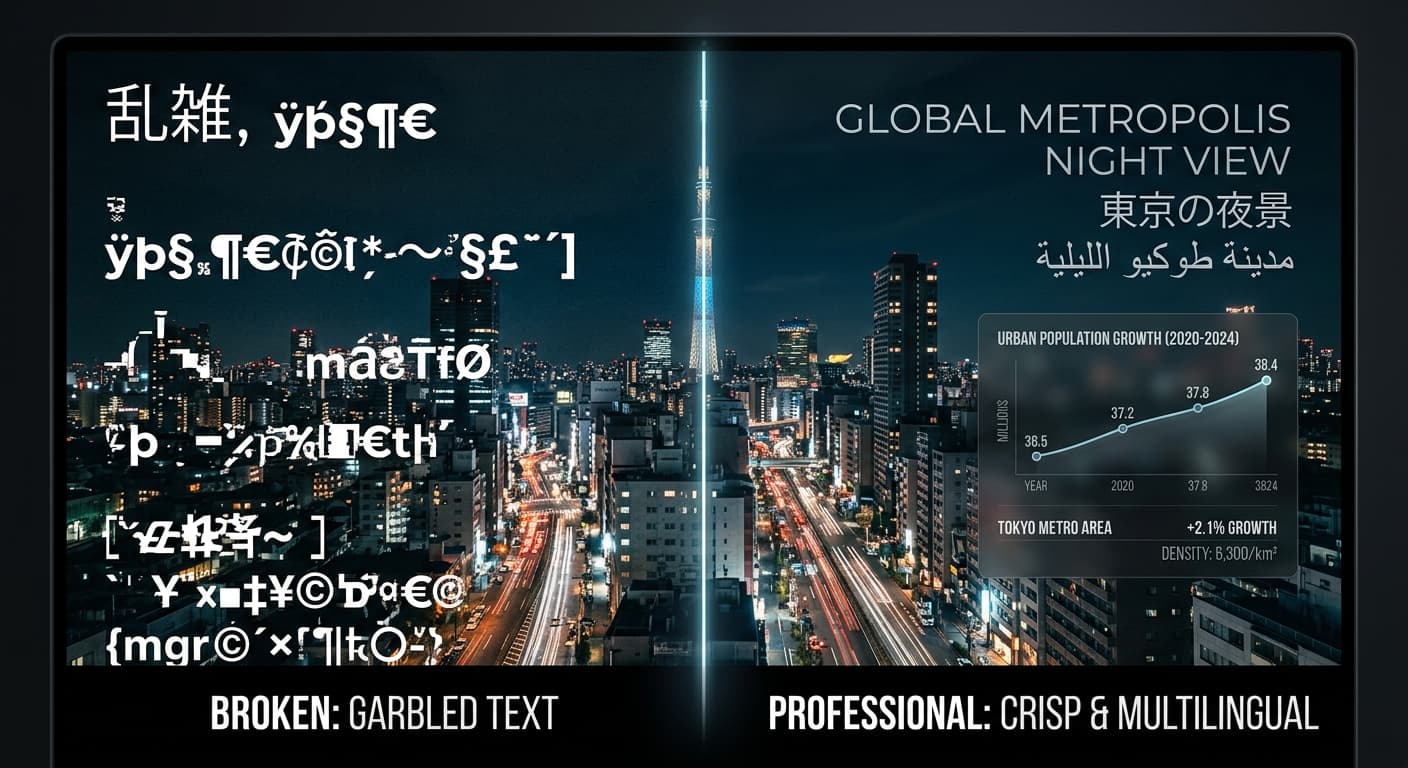
Every AI image model before GPT-Image-2 had the same fatal flaw. Give it a prompt asking for a street sign and it would hand you back something that looked like a ransom note. Text in AI-generated images was a known failure mode, the kind of thing demos glossed over and users learned to work around.
GPT-Image-2 changes that. OpenAI launched the model April 21, 2026, and the headline capability is text rendering that actually works. Not mostly works. Not works if you squint. Works.
What GPT-Image-2 actually does with text
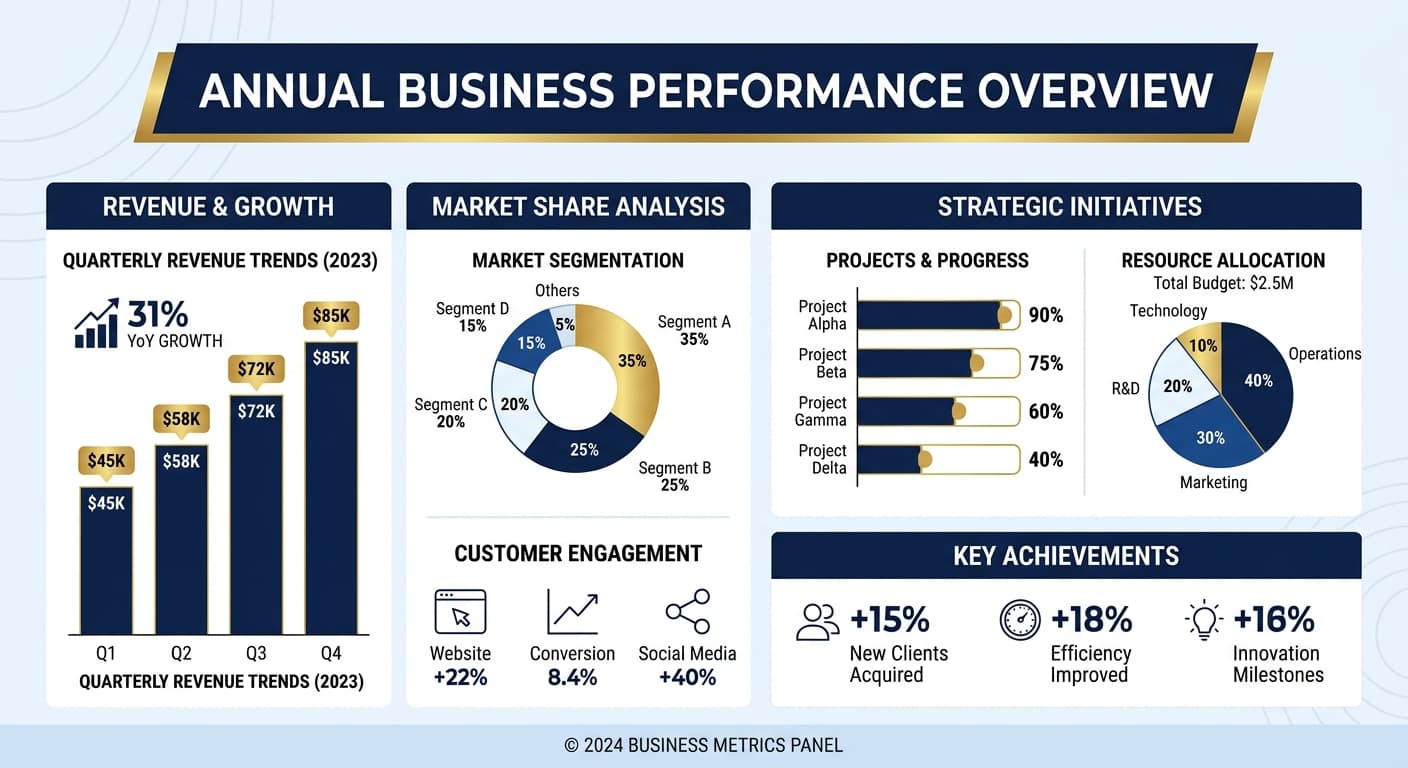
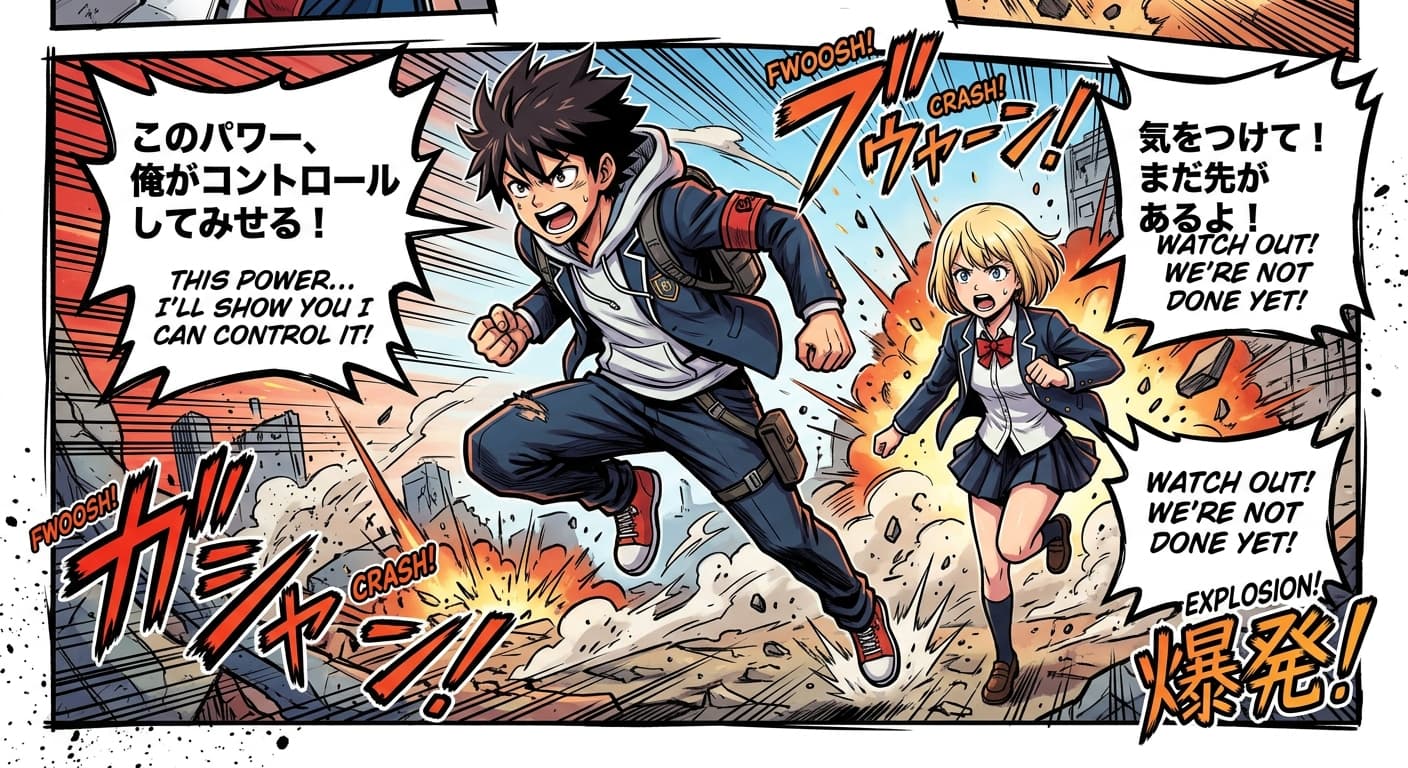
The model handles multilingual text, full infographics, slides, maps, and manga panels. The text comes out clean. Readable. Actually usable.
Previous models produced garbled characters because text rendering requires precise, deterministic output — exactly the thing neural networks struggle with. GPT-Image-2 reportedly uses techniques that enforce typographic consistency across the image. The result is text that looks like text, not like a model guessing at character shapes.
This is not a cosmetic improvement. It changes the use cases the model can handle.
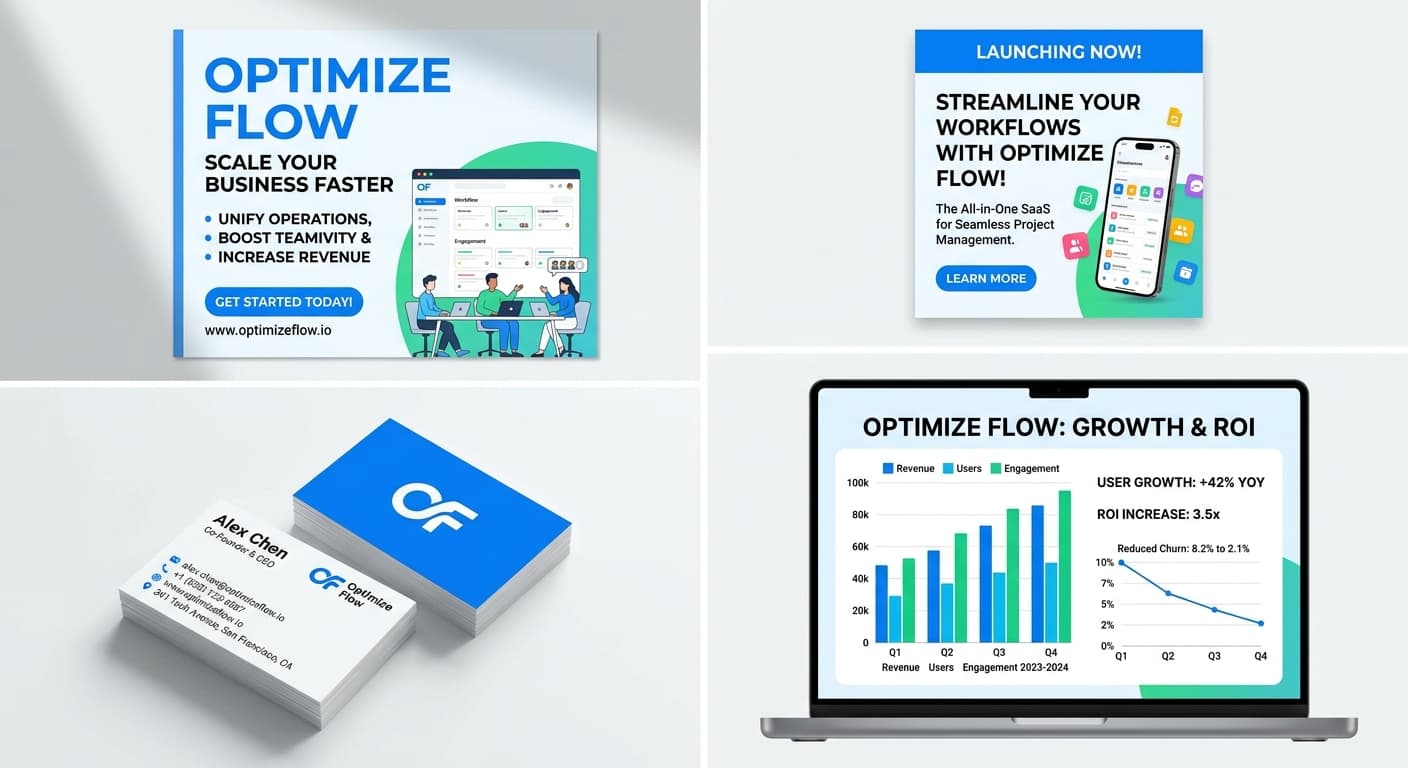
You can now generate marketing materials with actual legible copy. Presentation decks with real text instead of lorem ipsum. Infographics with data labels that say what they say. Maps with place names that are actually readable. Manga panels with speech bubbles that contain actual words.
Before this, generating those assets required a second pass — take the AI image, drop it into a design tool, add real text on top. That workflow is now obsolete for a wide range of assets.
The pricing says everything
Standard API pricing: $8 input + $30 output per image. That is roughly $38 per image at list price.
Cached input drops the cost to $2 output per image after the initial request, which matters for batch workflows. But the headline number is $38.
That is not an indie creator price point. That is not a freelancer price point. That is a price point designed for enterprises with serious compute budgets and use cases where $38 per image is cheaper than the human designer hours it replaces.
The phased deployment reinforces this. ChatGPT Plus and Team users get access first — those are paying subscriptions. Enterprise rollout follows. The API gets access after the consumer tiers. That sequence tells you exactly who OpenAI is targeting with the launch.
The irony is sharp: the feature that makes the model most useful to individuals — actual usable text in images — is priced out of individual reach.
fal.ai moved fast and got it right
On launch day, fal.ai shipped an enterprise API proxy for GPT-Image-2. No waitlist. Commercial use allowed from day one. That is a fast follow from a company that has been positioning itself as the middleware layer for AI API access.
The proxy matters because OpenAI's own enterprise verification process — required on the developer console to access image models — creates friction. fal.ai's proxy removes that friction for teams that want to start building immediately.
This is what the infrastructure layer looks like in a maturing AI market: the foundation model ships, the middleware proxies follow within hours, and the commercial availability question gets answered before the origin platform even finishes its own onboarding flow.
What the model actually ships
Speed: twice as fast as GPT-Image-1.5, which was already faster than the generation quality warranted.
API shape: two endpoints. Image API handles generations and edits. Responses API handles multi-turn editing workflows.
Feature set: transparent backgrounds, multiple aspect ratios, quality and format customization, compression control, batch generation via the n parameter.
Organization verification: required on the OpenAI developer console. Another friction point that signals enterprise targeting.
The feature set is substantial. This is not a demo. The model has enough depth to build real products on top of it.
The two-tier AI future is here
The pattern is consistent now. Every time a frontier AI capability becomes real — actual reasoning, actual agentic behavior, actual text rendering — the pricing structures it as enterprise-first.
The technology works. The cost excludes anyone who is not a business with a serious budget.
Indie creators get access through consumer tiers, wait for pricing to come down, or find workarounds. Enterprises get the full capability on day one with the budget to afford it.
GPT-Image-2 is the latest example. The text rendering breakthrough is real. It changes what you can build. The $38 per image price tag changes who gets to build it.
This is not an argument against the model. It is an observation about the AI market structure that is solidifying in real time. The tools are getting more capable and more expensive at the same time. The delta between what the technology enables and who can afford to use it is growing.
Know that when you are pricing out a project that uses GPT-Image-2, you are pricing an enterprise tool. That is fine if your client is an enterprise. It is a different conversation if they are not.
The model is a landmark. The pricing is a fact. Both things are true.