Top 5 AI Models of 2025: What Matters for Builders
GPT-5.1 Codex Max, Claude Opus 4.5, Gemini 3 Ultra, Qwen 3.0, and Mistral Large 3 are defining the 2025 landscape. Here's how they compare, where each shines, and how to pick the right model for your next mission.
Listen to this post
2025 delivered an avalanche of frontier models. For engineering leaders, the question is no longer "Which vendor is fastest?" It's which capability maps to your mission. Below is a field-tested breakdown of the five models we're using most across security automation, agentic workflows, and enterprise product delivery.
1) GPT-5.1 Codex Max: Project-Scale Memory
OpenAI doubled down on project-scale reasoning. GPT-5.1 Codex Max uses Compaction to keep context from sprawling codebases coherent over multi-day sessions. In practice, that means:
- Stickiness on long projects: It can remember architecture decisions from day one of a migration without being re-briefed.
- API-first ergonomics: Tool calling remains fast and predictable, which matters when you chain it to CI agents.
- Security posture: Still the most rigorous red-team program in the pack, making it a strong default for regulated environments.
Where to deploy it: enterprise refactors, compliance-heavy apps, and mission threads that require stable memory.
2) Claude Opus 4.5: Deliberate Reasoning on Demand
Anthropic's latest Opus release pairs top-tier SWE-Bench scores with the effort knob. You can dial responses from quick heuristics to deep, step-by-step chains of thought.
- Effort-aware cost control: Run at low effort for copy edits, crank to high for incident postmortems.
- Refusal discipline: Strong safety scaffolding keeps outputs inside guardrails when you hand it autonomy.
- Human-friendly tone: Still the easiest model for non-technical stakeholders to interact with during reviews.
Where to deploy it: runbooks, design reviews, threat modeling, and anywhere you need clarity plus auditability.
3) Gemini 3 Ultra: Multimodal Command Center
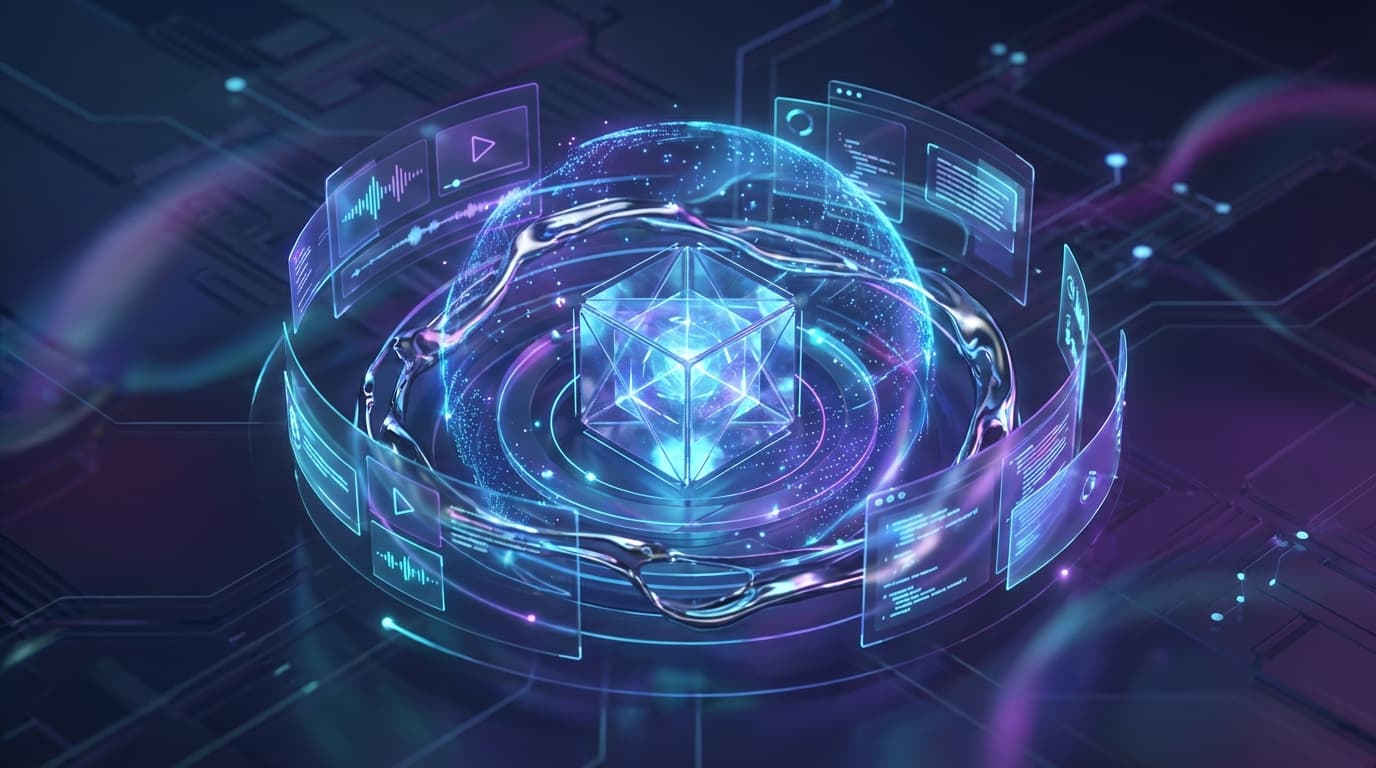
Gemini 3 Ultra isn't just a text model; it's a multimodal operator. Pair it with Antigravity IDE and you get a command deck for agent swarms.
- Screenshot-level understanding: Reads UI diffs as well as code diffs, making visual regression checks trivial.
- Parallel agent orchestration: The Manager View in Antigravity lets you oversee multiple agents tackling a backlog in parallel.
- Latency tuning: Configurable response profiles let you trade latency for depth per task.
Where to deploy it: UI/UX QA, multimodal analytics, and multi-agent delivery pipelines.
4) Qwen 3.0 Max: Open Ecosystem Workhorse
Alibaba's Qwen line matured fast. Qwen 3.0 Max offers open-weight friendliness with API polish.
- Great at retrieval: Native vector and SQL connectors make it a natural fit for knowledge-heavy internal tools.
- Localization strength: Top-tier multilingual performance, especially across APAC languages.
- Cost-effective scaling: Competitive pricing when you need hundreds of agents running in parallel.
Where to deploy it: multilingual support bots, RAG-heavy dashboards, and global commerce workflows.
5) Mistral Large 3: Lightweight, Sovereign-Friendly
 Mistral Large 3 leans into efficiency and sovereignty. It runs leaner than the giants while keeping reasoning sharp.
- On-prem ready: Optimized for private deployments where data residency matters.
- Tool-usage reliability: Deterministic function calling makes it dependable for automation chains.
- Latency advantage: Consistently low response times for transactional experiences.
Where to deploy it: European data estates, low-latency customer experiences, and sovereign cloud environments.
How to Choose for Your Mission
Use this quick rubric when you're picking a model for a new workload:
- Do you need persistent memory? Choose GPT-5.1 Codex Max.
- Need transparent reasoning? Choose Claude Opus 4.5 with
effortturned up. - Working with visuals or agent swarms? Choose Gemini 3 Ultra + Antigravity.
- Building multilingual RAG? Choose Qwen 3.0 Max.
- Demanding sovereignty or low latency? Choose Mistral Large 3.
What We're Doing at Defendre Solutions
We're mixing and matching these strengths:
- Security agents use Opus 4.5 for root-cause analysis, then hand off to GPT-5.1 for remediation planning with compaction.
- Product delivery squads use Gemini 3 Ultra to coordinate UI agents while Qwen 3.0 runs knowledge lookups against internal wikis.
- Sovereign deployments run Mistral Large 3 in-region with deterministic tool chains.
The throughline: autonomy with accountability. Pick the model that fits the mission, wrap it in guardrails, and keep a human on the loop.