The Mystery AI Model That Fooled Everyone Wasn't DeepSeek. It Was Xiaomi.
Hunter Alpha appeared on OpenRouter with no name attached, topped the leaderboard, and had everyone convinced it was DeepSeek V4. Turns out it was Xiaomi's MiMo-V2-Pro, and that changes a few things.

Listen to this post
On March 11, a model called Hunter Alpha showed up on OpenRouter. No developer attribution. No company name. Just a "stealth model" tag and benchmarks good enough to top the leaderboard.
The internet did what the internet does. Within hours, people were convinced it was DeepSeek V4, leaked early. The specs lined up with what Chinese outlets had been reporting about DeepSeek's next release. A trillion parameters. A million-token context window. The model even described itself as "a Chinese AI model primarily trained in Chinese" with a data cutoff of May 2025.
Case closed, right? Not even close.
It was Xiaomi the whole time
Xiaomi's AI model team MiMo, led by Luo Fuli (a former DeepSeek researcher), posted the reveal on X. Hunter Alpha is "an early internal test build of MiMo-V2-Pro," their flagship model designed to be the brain of AI agents.
I'll be honest, I did not have Xiaomi on my bingo card for this one. When you think Xiaomi, you think phones, electric cars, maybe smart home stuff. Not frontier AI models that top leaderboards anonymously and get mistaken for one of the hottest labs in the world.
But here's the Luo Fuli quote that stuck with me: "I call this a quiet ambush, not because we planned it, but because the shift from chat to agent paradigm happened so fast, even we barely believed it."
He also added: "People ask why we move so fast. I saw it firsthand building DeepSeek R1."
That second line matters. There's a direct pipeline of talent and methodology flowing from DeepSeek into Xiaomi's AI lab. The question of where DeepSeek ends and MiMo begins is getting blurry.

A trillion parameters and a million-token context window
Those are the numbers. One trillion parameters. Context window up to one million tokens. The model processed over one trillion tokens in total usage during its anonymous run on OpenRouter.
Reddit user reactions were split. Some people had actually fingerprinted the model early and found architectural differences from DeepSeek's known work. Independent benchmark tester Umur Ozkul said the same thing, that it was "unlikely to be DeepSeek V4" based on how it was built.
AI engineer Daniel Dewhurst put it well: "Reasoning style is hard to disguise and tends to reflect how a model was trained." If you know what to look for, models have tells. Hunter Alpha's tells didn't match DeepSeek.
One Redditor called a 1T parameter model with a 1M context window "the holy grail." Developer Nabil Haouam was more cautious: "Most frontier models with that context window come with real cost at scale." Fair point. Impressive specs on a benchmark leaderboard and impressive specs in production are two different conversations.
The agent play
This is the part I find most interesting. MiMo-V2-Pro isn't being positioned as another chatbot. It's designed as the brain for AI agents, tools that execute complex tasks with fewer human prompts.
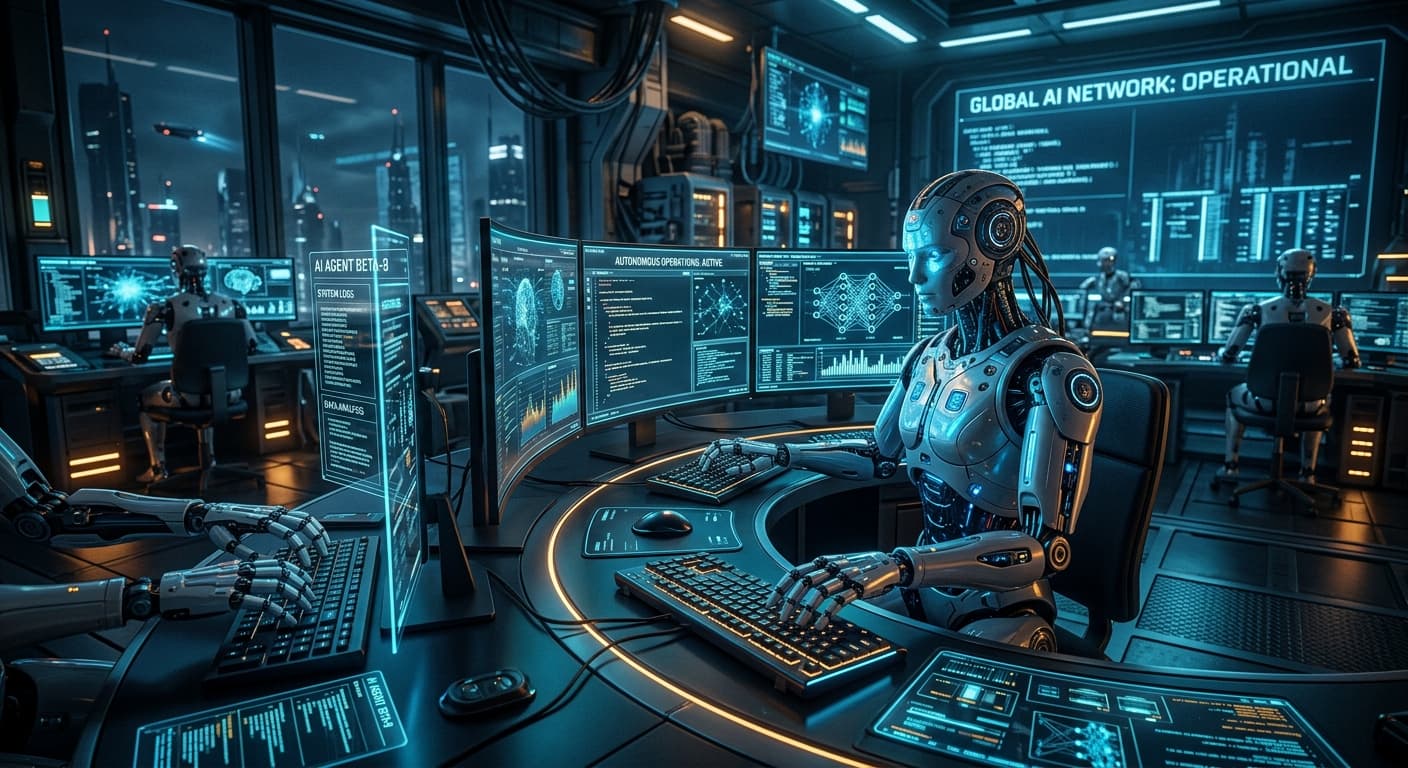
Xiaomi is partnering with five major agent frameworks including OpenClaw, with a week of free developer access to get people building on it. That's a smart move. You don't win the agent race by having the best model alone. You win by getting developers locked into your ecosystem before they even realize they've committed.
Luo Fuli's "chat to agent paradigm" comment is worth sitting with. The whole industry has been talking about this shift for months, but most labs are still shipping chat-first products with agent features tacked on. Xiaomi seems to be building agent-first and letting chat be the side effect. Whether that bet pays off depends entirely on whether agent workflows actually mature in 2026 or stay in the "promising demo" phase for another year.
What this means for DeepSeek
DeepSeek V4 is still expected as early as April, according to Chinese media. They shipped V3.2 and V3.2-Speciale back in December, positioning both as GPT-5 competitors.
But the Hunter Alpha episode is embarrassing for them in a weird, indirect way. The community's first instinct was to assume any powerful anonymous Chinese model must be DeepSeek. That's a compliment to their brand, sure. But it also means a competitor just walked into their lane and topped the leaderboard while wearing a mask, and nobody even considered it might be someone else until Xiaomi took the mask off.
The anonymous model trend is becoming a pattern, too. In February, a model called Pony Alpha appeared on OpenRouter before Zhipu AI confirmed it was GLM-5. Now Hunter Alpha turns out to be Xiaomi. Chinese AI labs have figured out that anonymous drops generate more attention and more honest benchmarking than branded launches. Expect more of this.
Xiaomi's stock noticed
Xiaomi Hong Kong shares surged as much as 5.8% on Thursday after the reveal. The market is treating this as real. Not vaporware, not a demo, but a signal that Xiaomi's AI ambitions are further along than most analysts assumed.
I keep coming back to the fact that this was an "early internal test build." If the test build tops OpenRouter's leaderboard, what does the production release look like? Maybe it falls apart at scale. Maybe the costs are prohibitive. But the benchmark performance is already out there, and you can't un-ring that bell.
My take
The Chinese AI scene is getting harder to track. It's not just DeepSeek and a bunch of followers anymore. Xiaomi has a trillion-parameter model with serious agent capabilities. Zhipu is dropping anonymous models that compete at the frontier. And all of them are doing it faster and, reportedly, cheaper than their Western counterparts.
I don't know if MiMo-V2-Pro will matter six months from now. Frontier AI moves fast enough that today's leaderboard topper is tomorrow's baseline. But the reveal itself, a phone company's AI lab fooling the entire community into thinking they were DeepSeek, tells you something about where Chinese AI development is headed. The talent pool is deeper than the brand names suggest, and the next surprise model probably won't come from the lab you're watching.