OpenAI's Robotics Chief Just Quit. The Pentagon Deal Is the Reason.
Caitlin Kalinowski resigned as OpenAI's head of robotics after the company rushed a deal to deploy AI on the Pentagon's classified networks. Sam Altman says the optics don't look good. No kidding.

Listen to this post
I've been watching the OpenAI-Pentagon story for weeks now. First the Anthropic ban. Then OpenAI swooping in to fill the vacuum. It felt opportunistic from the jump, but I figured the business logic would hold. Defense contracts are worth billions, and OpenAI needs the revenue to justify that $110 billion valuation.
Then Caitlin Kalinowski quit. And the whole thing stopped making business sense to me.
Who Kalinowski is and why her exit matters
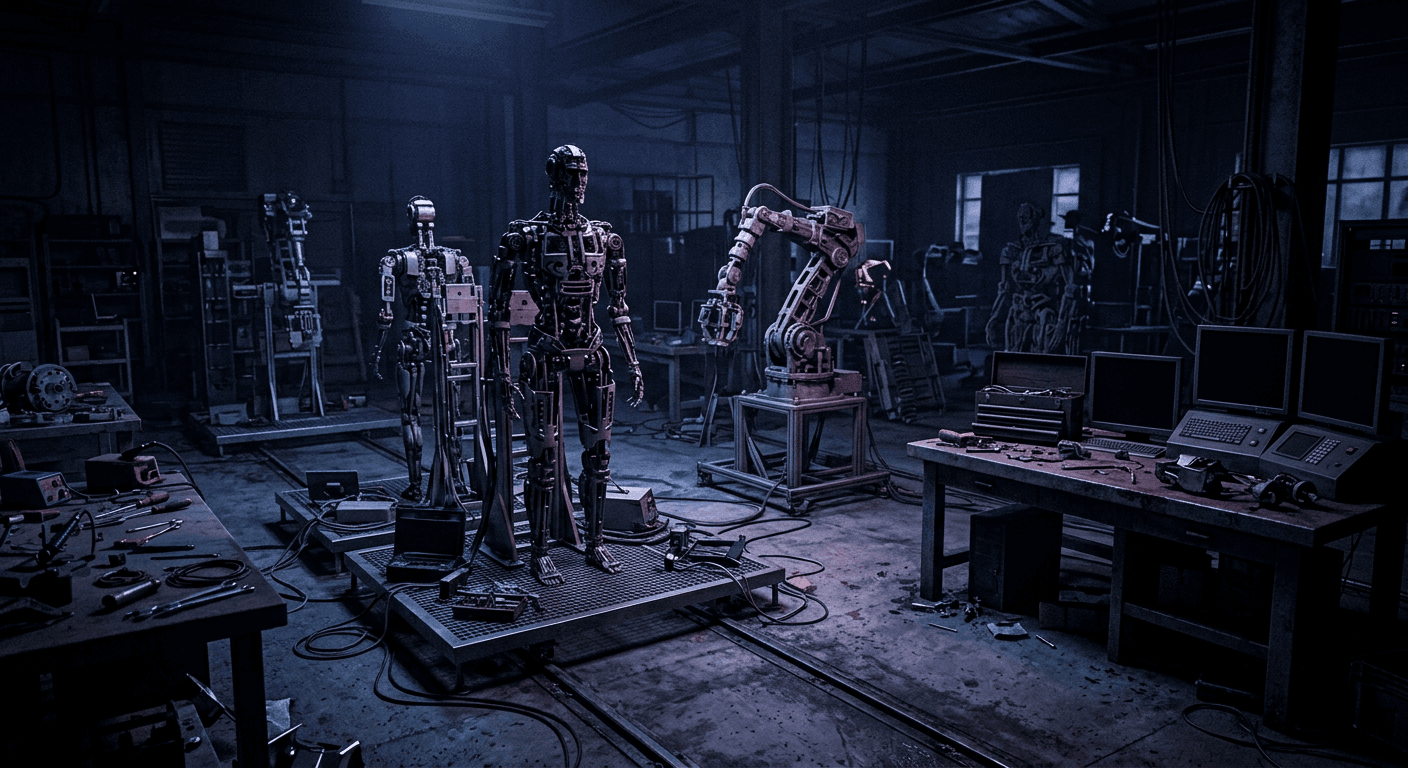
Kalinowski ran OpenAI's robotics division. Before that, she spent a decade at Meta leading hardware engineering for the Oculus and Reality Labs teams. She's an MIT-trained mechanical engineer who built actual things. Not a policy person. Not a communications hire. A builder.
When someone like that walks away from what should be the most exciting job in robotics, you have to ask what they saw internally that made staying impossible. Kalinowski hasn't given a detailed public statement yet, but people close to her say the Pentagon deal crossed a line she wasn't willing to stand behind.
I respect that. It's harder to leave than to stay and complain quietly.
The timeline is damning
Here's what happened in sequence. On March 5, Trump signed an executive order directing federal agencies to pause new AI procurements pending a security review. Hours later, OpenAI announced it had finalized a contract to deploy models on the Pentagon's classified cloud infrastructure. Hours. Not days. Not after the review concluded.
Someone at OpenAI decided that getting the deal locked in before the pause took effect was more important than waiting to see what the review actually said. That's not illegal. But it tells you something about priorities.
Sam Altman went on a podcast two days later and said the deal was "definitely rushed" and "the optics don't look good." I've heard politicians use the phrase "the optics don't look good" plenty of times. It's what people say when the substance is also bad but they're hoping you'll focus on the presentation instead.
What the deal actually involves
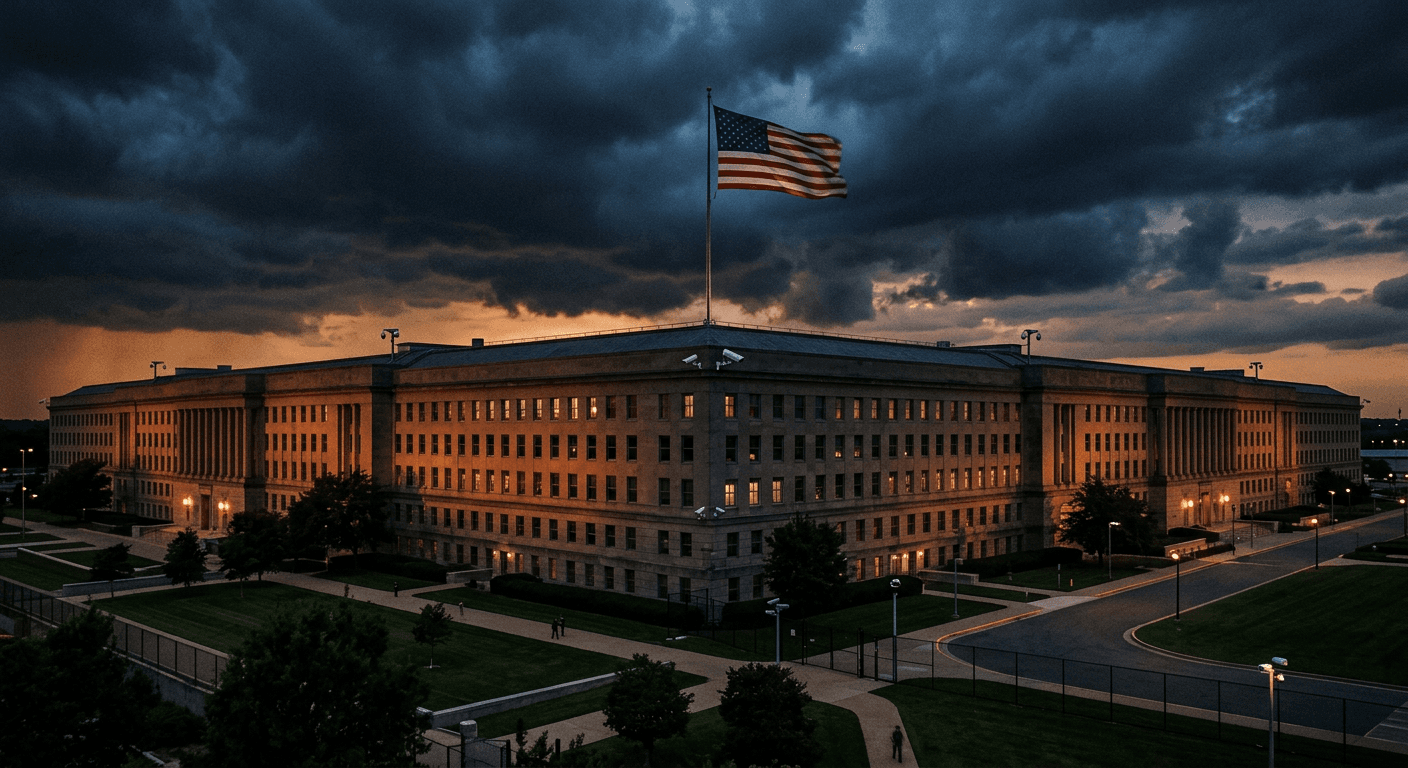
The specifics are still partially classified, but here's what we know from public reporting and the Pentagon's own press release. OpenAI will deploy a suite of models, likely GPT-5.4 variants, on air-gapped classified networks managed by the Defense Information Systems Agency. The models will handle intelligence analysis, operational planning support, and logistics optimization.
This is not OpenAI selling ChatGPT subscriptions to desk workers at the Pentagon. This is AI running on networks where the data is classified at the Secret and Top Secret levels. The models will see things that regular Americans cannot and will not ever see.
The contract value hasn't been disclosed. Early estimates from defense procurement analysts put it somewhere between $2 billion and $4 billion over five years.
The ethics gap nobody wants to talk about
OpenAI's charter still says on its website that the company exists to "ensure that artificial general intelligence benefits all of humanity." I've read it. You've probably read it too.
I'm not naive about how defense spending works. I served. I understand that someone builds the systems, and those systems need to work well, and arguably you want the best AI in the hands of your own military rather than someone else's. That argument has real weight.
But there's a gap between "we sell tools to the defense department" and "we rush a classified AI deployment through before a presidential review can even start." One is pragmatic. The other is something else.
Kalinowski apparently felt the same way. Her robotics team was building hardware that could eventually carry these models in physical form. Imagine being the person responsible for building the body when you disagree with what the brain is being used for.
What this means for OpenAI going forward
Losing a division head over an ethics dispute is not the same as losing a mid-level engineer who tweets about it. This is a senior leader who chose to leave a role that probably doesn't exist anywhere else at this level. OpenAI's robotics program was supposed to be their next big thing after GPT-5. Kalinowski was building it.
Her departure signals something to every engineer and researcher still inside OpenAI. The company chose the Pentagon contract over keeping a respected leader who built their robotics future. People notice those tradeoffs. They remember them during late nights when the recruiters from Anthropic and Google DeepMind are in their inbox.
I've seen this pattern before in defense-adjacent companies. One high-profile departure becomes permission for others. Not immediately. But within six months, you usually see a cluster.
Where I land on this
I don't think OpenAI is evil for wanting defense contracts. Half of Silicon Valley's greatest hits came from DARPA funding. The internet. GPS. Siri's early research. Military money built the tech industry whether we like admitting it or not.
What bothers me is the rushing. The "let's get this done before anyone can stop us" energy. The fact that the CEO himself admits the timeline was wrong, but the deal is still going forward. An apology without a course correction is just PR.
Kalinowski saw something she couldn't live with and left. Altman saw the same thing and chose to call it an optics problem.
That tells you everything about where OpenAI's center of gravity has shifted. The charter is still on the website. But the decisions are being made somewhere else entirely.